1520 Green Oak Place, Suite B Kingwood, Tx 77339


What Are My Options if My Dental Crown or Implant Bridge Breaks?

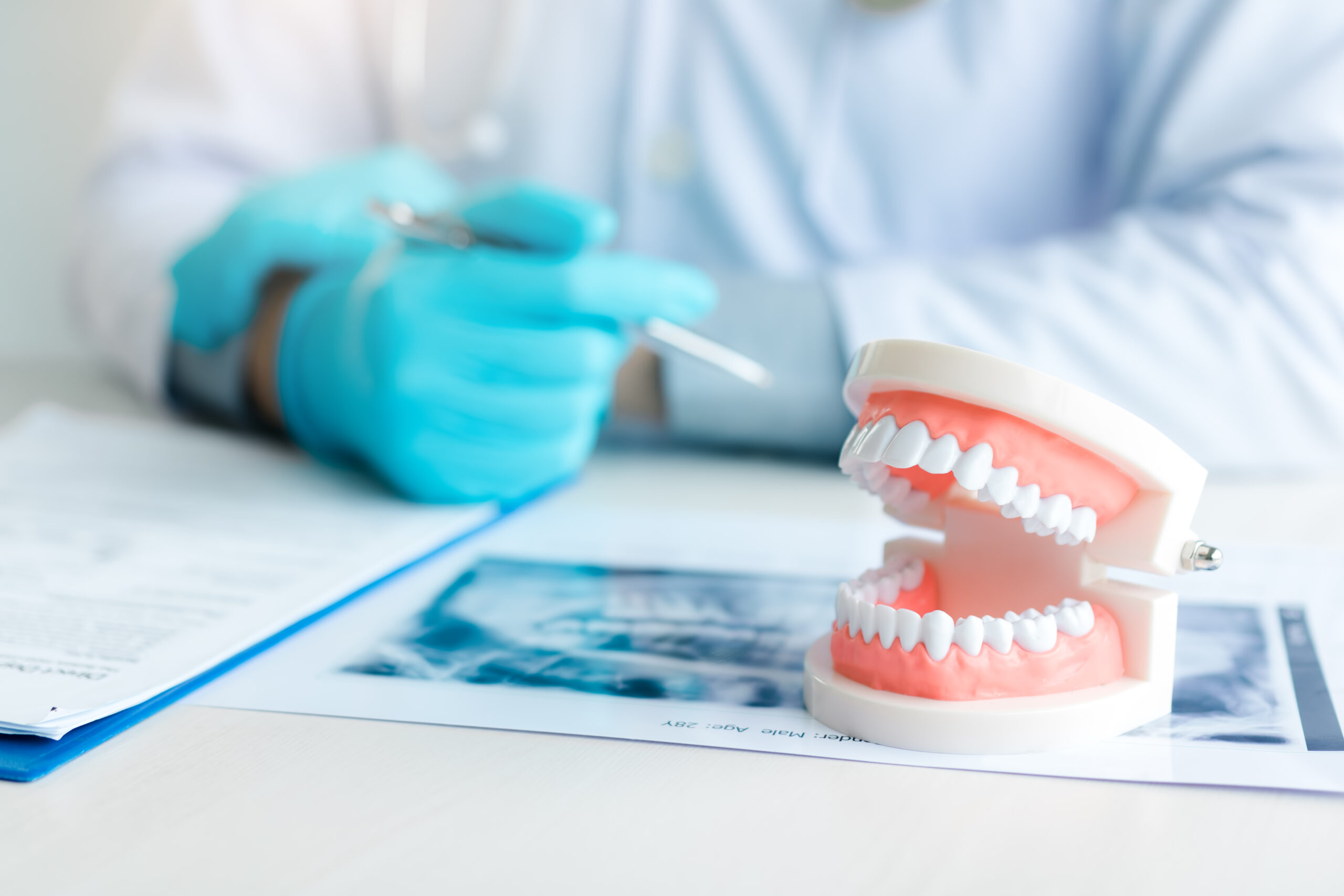
A broken crown or bridge on a dental implant tends to catch people completely off guard. You might be eating something perfectly ordinary — a piece of bread, a sandwich — and suddenly something feels wrong. Maybe a piece chips off, or the restoration feels loose, or the whole crown comes away in your hand. It’s unsettling, and your first instinct is probably to wonder how serious this is.
Here’s the reassuring part: the implant itself — the titanium post anchored in your jawbone — is rarely the problem. Crowns and bridges are prosthetic components that sit above the gumline and are the parts most likely to wear, chip, or fracture over time. That’s actually a manageable situation, and one that dental teams handle regularly. For patients looking at implant restoration in Kingwood, TX, knowing your options ahead of time makes the whole process much less stressful.
Let’s walk through what actually happens, what your repair options look like, and how to protect your restoration going forward.
Why Do Implant Crowns and Bridges Break in the First Place?
Dental crowns and bridges, whether on implants or natural teeth, are built to last, but they’re not indestructible. Most implant-supported restorations are made from porcelain, zirconia, or porcelain fused to metal, and each material has its own durability profile. Zirconia, for example, is highly fracture-resistant but can still crack under extreme lateral forces. Porcelain-fused-to-metal crowns can chip at the porcelain layer while the metal substructure stays intact.
A few of the most common reasons restorations fail include:
- Bruxism (teeth grinding): This is one of the leading causes of crown fracture. The American Sleep Association estimates that 10–15% of adults grind their teeth, often without knowing it. The repeated, high-force contact between upper and lower teeth — especially at night — can fatigue even well-made restorations over time.
- Physical trauma: A fall, sports injury, or impact to the mouth can fracture a crown just as easily as it can damage a natural tooth.
- Biting on hard objects: Ice, popcorn kernels, hard candy, and similar foods place concentrated force on small surface areas. This can crack or chip even durable ceramic materials.
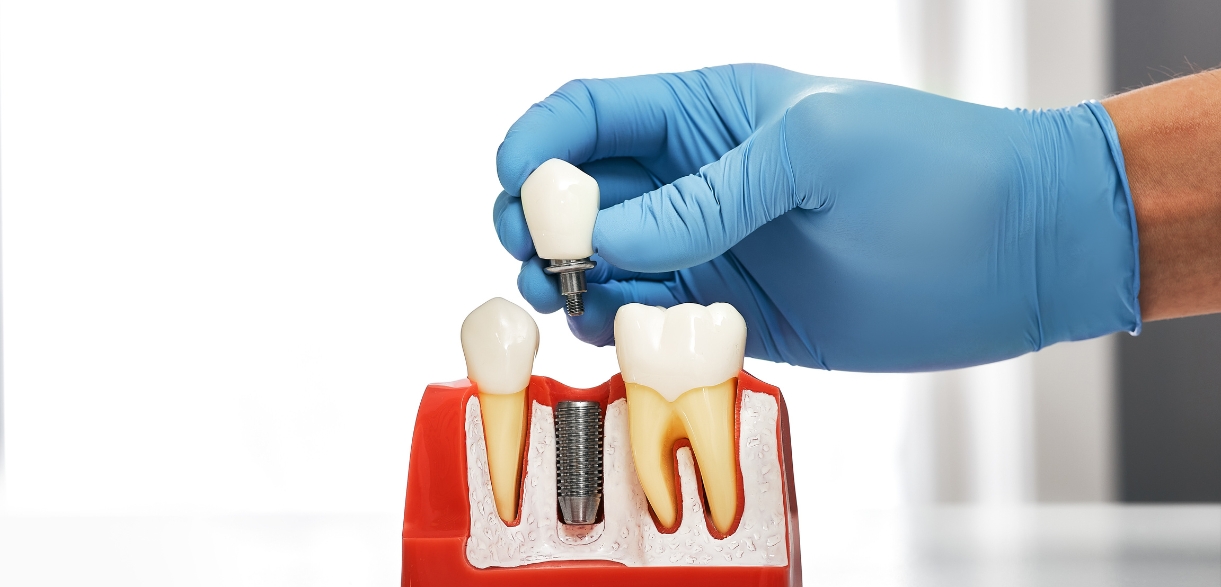
- Abutment screw loosening: The abutment is the connector piece between the implant post and the crown. If the screw holding it loosens over time, the crown can feel wobbly and eventually dislodge — even if the restoration material itself is undamaged.
- Normal wear over many years: Most implant crowns last 10 to 15 years or longer with proper care, but no restoration lasts indefinitely.
What Are Your Repair Options?
The right course of action depends on the nature and extent of the repair needed for your implant restoration. Here’s how most situations break down:
Minor Chips or Surface Cracks
Small chips on a porcelain crown can sometimes be smoothed and polished in-office if they’re not in a structurally compromised area. In certain cases, composite resin can be bonded over the chipped section to restore the shape and appearance. This is a conservative repair: while it won’t be as durable as the original crown material, it can still work well for minor cosmetic damage. Your dentist will assess whether the underlying structure is still sound before recommending this approach.
Loose or Fully Dislodged Crown
A crown that has come loose but is still intact is often the most straightforward situation to resolve. If the crown is undamaged, the dentist may be able to re-cement it or re-torque the abutment screw. If the screw itself is the problem, tightening or replacing it typically resolves the issue without requiring a new crown. This is worth knowing — what feels like a major failure might be a relatively minor fix.
Significant Fracture or Full Break
When a crown cracks through its full thickness or breaks into pieces, replacement is usually necessary. The process typically involves removing the old crown or abutment, taking new impressions or digital scans, and fabricating a new restoration. Depending on the materials available and your specific situation, your dentist may use an in-office milling system (CAD/CAM technology) that can produce a new crown in a single appointment, or send impressions to a dental lab for a custom restoration.
Damage to an Implant-Supported Bridge
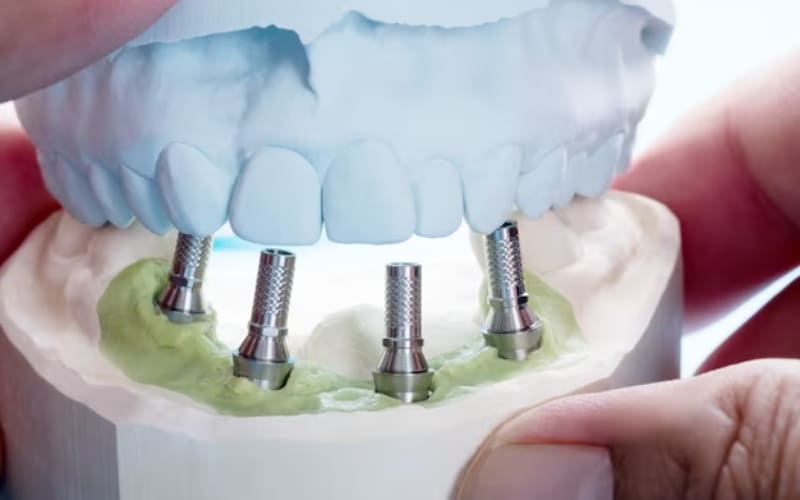
Implant-supported bridges, which replace multiple consecutive missing teeth using two or more implant posts, are more complex to repair because the entire structure is typically replaced as a unit if significant damage occurs. However, if only one section of the bridge is chipped or one pontic (the false tooth in the middle) is damaged while the anchoring crowns remain intact, partial repair may be possible. Your dentist will evaluate the full structure to determine what makes clinical sense.
What If the Implant Post Is Involved?
This is a less common scenario, but it does happen. Implant fracture, where the titanium post itself cracks or breaks, is rare but possible, typically from severe occlusal overload or extreme trauma. If the post is fractured, the situation is more complex. In some cases, the fractured implant can be removed and replaced after adequate healing. In others, bone loss around the site may limit options. A cone-beam CT scan is usually needed to fully assess the situation before any treatment decisions are made.
The good news is that most people who come in with a broken crown or bridge find that their implant post is completely fine. The restoration above the gumline took the damage, which is exactly what it’s designed to do.
What Happens at Your Repair Appointment
When you come in for an evaluation, your dentist will start with a clinical exam and X-rays to assess the implant, abutment, and surrounding bone. If the crown broke cleanly and the implant is stable, a lot can be determined relatively quickly. You’ll be walked through your specific options, timelines, and the process from start to finish.
In the meantime, save any pieces of the crown if you can. Even if they can’t be reused, they give your dentist useful information about how and where the fracture occurred. Don’t try to glue anything back yourself — over-the-counter dental adhesives aren’t designed for implant components and can complicate the repair.
Protecting Your Restoration Going Forward
Once your crown or bridge is repaired or replaced, a few habits go a long way toward preventing future damage. If bruxism is a factor, a custom night guard is one of the most effective and protective investments you can make — it absorbs the force of grinding before it reaches your restoration. Avoiding hard, crunchy foods isn’t about being overly cautious; it’s about making a reasonable adjustment that extends the life of high-quality dental work.
Routine checkups also matter more than people often realize. Many crown fractures are detected early — before they become full breaks — during a standard exam or cleaning. Catching a small crack early almost always results in a simpler, less involved repair.
The team at Kingwood Dentistry offers comprehensive implant restorations in Kingwood for patients facing these situations — from minor repairs to full crown replacements. Every case is assessed individually, and your options are explained clearly before any treatment begins.
Contact Dentistry of Kingwood today to schedule an evaluation.
People Also Ask
Can I eat normally while waiting for my broken crown to be repaired?
It’s best to avoid chewing on the side with the damaged restoration. Stick to softer foods and avoid anything hard, sticky, or crunchy until you’re seen. If the crown is fully off, the exposed abutment and implant site can be sensitive, so minimizing contact helps prevent additional discomfort or damage.
Will my dental insurance cover the repair?
Coverage varies significantly by plan. Some dental insurance policies cover crown repair or replacement under major restorative benefits, often after a waiting period or with a frequency limitation (such as once every five years per tooth). It’s worth calling your insurer before your appointment to understand your specific benefits. The dental office can also help verify coverage during scheduling.
How long does it take to get a new implant crown made?
If the office uses in-house CAD/CAM milling technology, a new crown can often be fabricated and placed in a single appointment — sometimes in just a couple of hours. If the crown is sent to an outside dental lab for fabrication, the process typically takes one to two weeks. During that time, a temporary crown is usually placed to protect the site.
Is it normal to feel pain when a crown breaks?
Not always — dental implants don’t have nerve roots the way natural teeth do, so a broken crown on an implant is often painless. You may feel sensitivity, pressure, or an odd sensation when biting, particularly if the abutment becomes exposed. If you’re experiencing significant pain, it’s worth getting evaluated promptly, as this could indicate a complication beyond the restoration itself.
How is an implant crown different from a crown on a natural tooth when it breaks?
The main difference is in the underlying structure. A crown on a natural tooth sits over a prepared tooth root that still has nerve and blood supply. An implant crown sits on a titanium post and abutment with no biological nerve tissue. This means that implant crown repairs often involve different considerations, such as checking abutment screw torque, that don’t apply to natural tooth restorations. The repair process is also somewhat more straightforward when the implant post itself is unaffected.