1520 Green Oak Place, Suite B Kingwood, Tx 77339


What Are the Different Types of Implant Restoration?

Implant restoration is a transformative solution for replacing missing teeth, offering improved oral health, functionality, and aesthetics. Understanding the different types of implant restoration available is essential when making the right choice.
This comprehensive guide will explore dental implants, all-on-4, and more options. By delving into their uses, benefits, and factors to consider, you’ll gain valuable insights to help you select the best implant restoration option that suits your unique needs and desires.
Let’s embark on this informative journey to discover the world of implant restoration and make informed decisions for a healthier and more confident smile.
Types Of Implant Restoration:
1. Dental Implants:
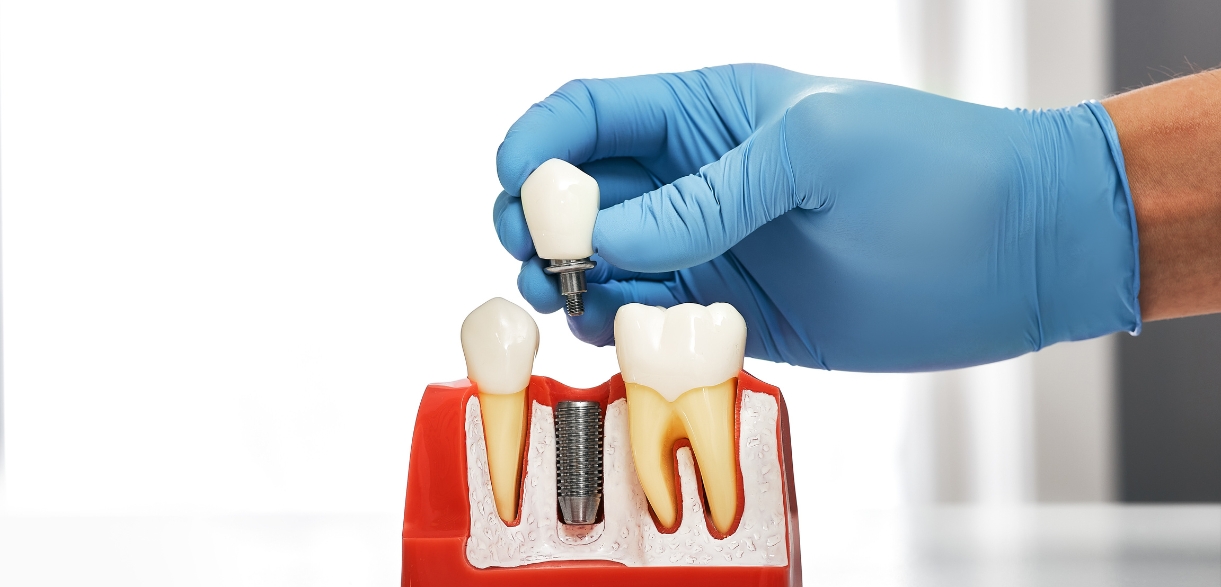
Traditional dental implants involve replacing a single missing tooth with an implant, abutment, and crown. The process typically includes the surgical placement of the implant into the jawbone, followed by the attachment of an abutment to connect the implant to the artificial tooth crown.
2. Single Tooth Replacement:
This type of implant restoration focuses on replacing a missing tooth with an implant-supported crown. It involves the same basic steps as traditional dental implants but is tailored to replace one tooth.
3. Implant-Supported Bridge:
An implant-supported bridge offers an effective solution for individuals missing multiple adjacent teeth. In this case, dental implants, prosthetic devices consisting of multiple artificial teeth that fill the gap left by missing teeth, are used to support a bridge.
4. All-on-4 Implants:
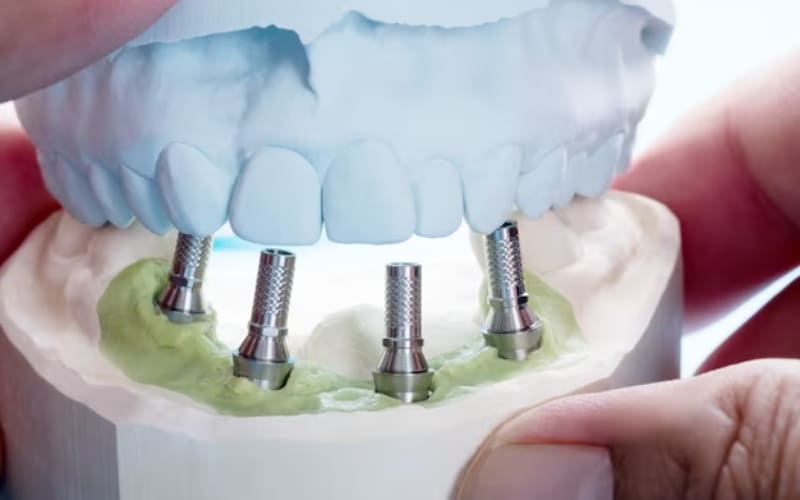
All-on-4 implants provide a revolutionary technique for replacing an entire arch of teeth with only four strategically placed implants. This method utilizes two straight implants at the front and two tilted implants at the back of the jaw, maximizing stability and minimizing the number of implants required.
5. Mini Dental Implants:
Mini dental implants are smaller-sized implants that can be used where traditional implants may not be suitable due to limited bone density or space constraints. These implants offer a less invasive option for stabilizing dentures or replacing small teeth.
6. Subperiosteal Implants:
Subperiosteal implants differ from traditional implants, placed on top of the jawbone beneath the gum tissue. They are usually recommended when there is inadequate bone height or density to support conventional implants. By resting on the bone, these implants offer stable support for prosthetic teeth.
By considering the specific needs, oral health, and individual circumstances, patients can work with their dental professional to choose the most appropriate type of implant restoration.
Whether it’s a single tooth replacement, an implant-supported bridge, or the innovative All-on-4 technique, understanding the different types empowers individuals to make informed decisions for restoring their smiles and improving their overall quality of life.
Factors To Consider When Choosing Implant Restoration:
1. Bone Density and Quality:
The success and stability of implant restoration depend significantly on the density and quality of the jawbone. Adequate bone support is crucial for the long-term durability of the implants. A thorough evaluation by a dental professional will determine if additional procedures, such as bone grafting, are necessary before implant placement.
2. Oral Health and Hygiene:
Maintaining good oral hygiene before and after implant placement is vital for the success of implant restoration. Patients should have a healthy gum condition, free from periodontal disease or other oral infections. Regular brushing, flossing, and professional cleanings are essential to prevent complications and ensure the longevity of the implants.
3. Budget and Maintenance:
Consideration should be given to the financial aspects associated with implant restoration. Dental implants are an investment in long-term oral health but can come with a higher initial cost than other tooth replacement options.
Additionally, regular check-ups, cleanings, and potential maintenance requirements should be factored into the long-term budget for proper care and ongoing success of the implants.
By carefully considering these factors, patients can make informed decisions when selecting the most suitable implant restoration option for their unique circumstances. Consulting with a qualified dental professional is essential to assess individual needs, evaluate bone quality, and provide personalized recommendations that align with oral health goals and budgetary considerations.
Understanding the different implant restoration options is crucial when making informed decisions for a healthier and more confident smile. Whether it’s traditional dental implants, single tooth replacement, implant-supported bridges, all-on-4 implants, mini dental implants, or subperiosteal implants, each option has specific uses and benefits.
Factors such as bone density and quality, oral health, hygiene, and budget and maintenance should be carefully considered when choosing the right implant restoration option. It is essential to consult with a qualified dental professional who can evaluate individual needs, guide patients through the decision-making process, and provide personalized recommendations.
With the right choice of implant restoration, individuals can regain their ability to eat, speak, and smile confidently, improving their overall quality of life. Don’t hesitate to seek professional advice and embark on a journey towards restoring your beautiful smile today.