1520 Green Oak Place, Suite B Kingwood, Tx 77339


Do’s and Don’ts After A Denture Treatment

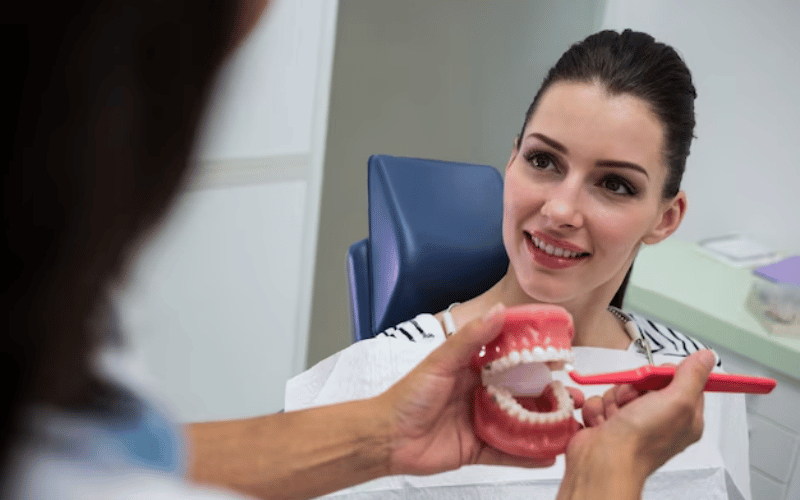
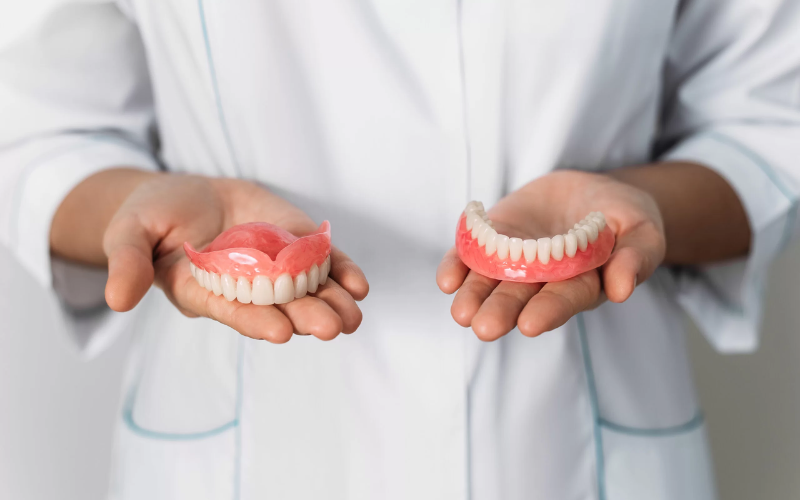
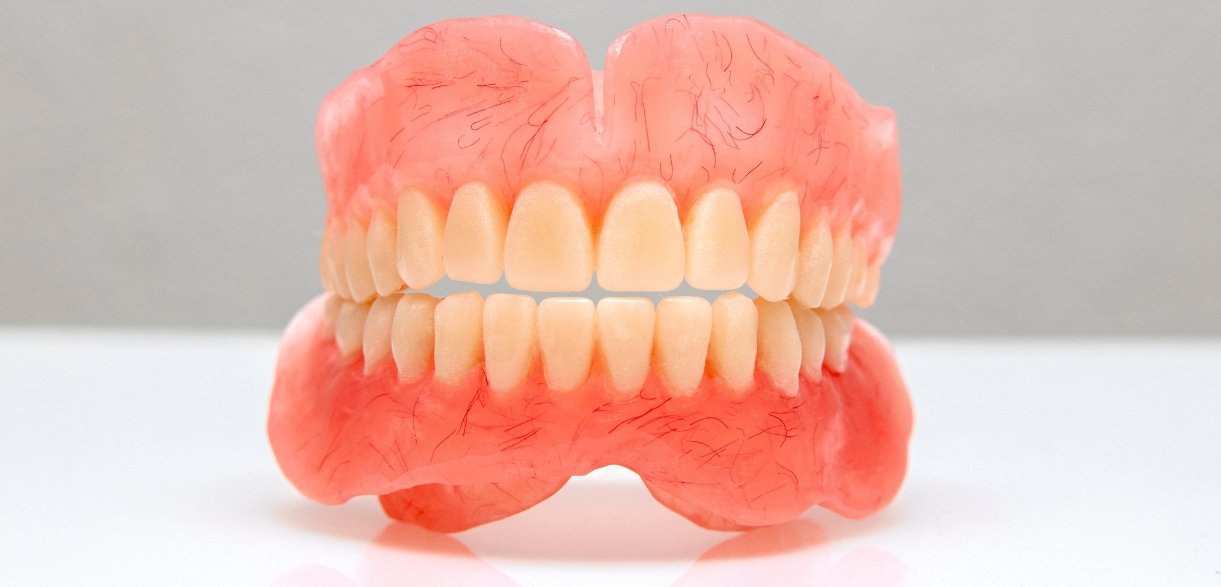
Dentures are removable dental prosthetics designed to replace missing teeth and restore oral functionality and aesthetics. Comprising artificial teeth set in a gum-colored acrylic or metal base, dentures come in partial or complete forms. Partial dentures fill gaps in specific tooth areas, while complete dentures replace an entire set of teeth. Custom-made to fit the individual’s mouth, dentures improve speech, chewing ability, and facial appearance. Proper maintenance, including regular cleaning and adjustments, ensures their longevity. Despite advancements in dental technology, denture treatment remains a cost-effective solution for individuals seeking tooth replacement without invasive procedures like implants.
Do’s After Getting A Denture Treatment
1. Follow Proper Oral Hygiene: Brush your dentures daily with a soft-bristled brush and mild denture cleaner to remove plaque and prevent stains. Additionally, clean your gums, tongue, and mouth roof to maintain oral health.
2. Handle with Care: Remove and handle your dentures over a soft surface, like a folded towel or basin of water, to prevent breakage if accidentally dropped. Avoid using hot water, as it can distort the denture shape.
3. Regular Dental Check-ups: Schedule routine check-ups with your dentist to ensure your dentures fit well and identify potential issues. Adjustments may be necessary to maintain comfort and functionality.
4. Give Your Mouth a Break: Remove your dentures for at least a few hours each day, typically overnight, to allow your gums to rest. This helps prevent irritation and promotes better oral health.
5. Stay Hydrated and Mind Your Diet: Drink plenty of water to keep your mouth hydrated. Be mindful of your diet; initially, stick to softer foods and gradually reintroduce a regular diet. Avoid very sticky or hard foods that may damage the dentures.
Following these do’s will contribute to the longevity and comfort of your dentures while promoting overall oral health.
Don’ts After Getting A Denture Treatment
1. Avoid Abrasive Cleaners: Avoid using abrasive toothpaste or harsh cleaners on your dentures, as they can damage the material and lead to wear and tear. Use only products made specifically for maintaining dentures.
2. Say No to Hot Water: Never use hot water to clean or soak your dentures, as it can cause prosthetic warping or deformation. Use lukewarm water for cleaning and storage.
3. Don’t Bite on Hard Objects: Avoid biting hard objects, such as ice, pens, or bones, as this can damage or break your dentures. Treat them with care to ensure their longevity.
4. Skip DIY Repairs: Resist the temptation to fix broken or ill-fitting dentures at home. DIY repairs can lead to further damage and compromise the effectiveness of the dentures. Consult your dentist for professional adjustments or repairs.
5. Limit Stain-Causing Substances: Cut back on or avoid substances that can stain your dentures, such as tobacco, coffee, tea, and red wine. If consumed, rinse your dentures thoroughly afterward to minimize staining.
By adhering to these “don’ts,” you can maintain the integrity of your dentures and prevent potential issues arising from improper care or usage. Regular professional check-ups will also help address any concerns promptly.
Tips for Adjusting to New Dentures
1. Gradual Introduction: Start by wearing your new dentures for short periods, gradually increasing the time as your mouth adjusts. This helps minimize discomfort and allows you to adapt to the sensation of wearing dentures.
2. Practice Speaking: Pronouncing certain words may feel challenging initially. Practice speaking slowly and enunciate words to improve speech clarity. Reading aloud or practicing with friends and family can aid in the adjustment process.
3. Monitor Your Diet: Begin with softer foods and gradually introduce a more varied diet as you become accustomed to chewing with dentures. Cut food into smaller pieces to make chewing easier and avoid sticky or hard substances initially.
4. Maintain Good Oral Hygiene: Clean your mouth and dentures to prevent irritation and infections. Brush your gums, tongue, and the roof of your mouth, and clean your dentures regularly using recommended products. Proper oral hygiene contributes to overall comfort and adjustment.
5. Professional Adjustments: If you experience persistent discomfort or sore spots, consult your dentist for adjustments. They can make necessary modifications to ensure a proper fit, addressing any issues that may arise during the initial adjustment period.
Patience is key during the transition to new dentures. With time, consistent care, and professional guidance, the adaptation process becomes smoother, and the discomfort of wearing dentures diminishes.
In conclusion, adapting to new dentures is a gradual process requiring patience and care. Dentures provided by Dentistry Of Kingwood offer a solution for missing teeth, enhancing oral function and aesthetics.
Gradual wear, speech practice, and a monitored diet ease the adjustment. Regular oral hygiene and professional adjustments ensure comfort. For residents in Kingwood seeking reliable denture solutions, Dentures In Kingwood by Dentistry Of Kingwood is your trusted partner.
Embrace the transformation with a smile—experience comfort, function, and confidence. Book your appointment today and rediscover the joy of a beautiful smile!