1520 Green Oak Place, Suite B Kingwood, Tx 77339


Professional Whitening vs. Store Kits: Why Dentists Get Better Results

If you’ve ever stood in a drugstore aisle staring at whitening strips, you know how overwhelming the choices feel. Many Kingwood residents ask the same question: why pay more for a dentist when store kits seem so convenient? The honest answer comes down to how results actually differ — and who each option genuinely suits. Understanding the comparison of professional whitening vs. store kits is the best first step toward a brighter, healthier smile.
How Professional Whitening Works vs. Store-Bought Kits
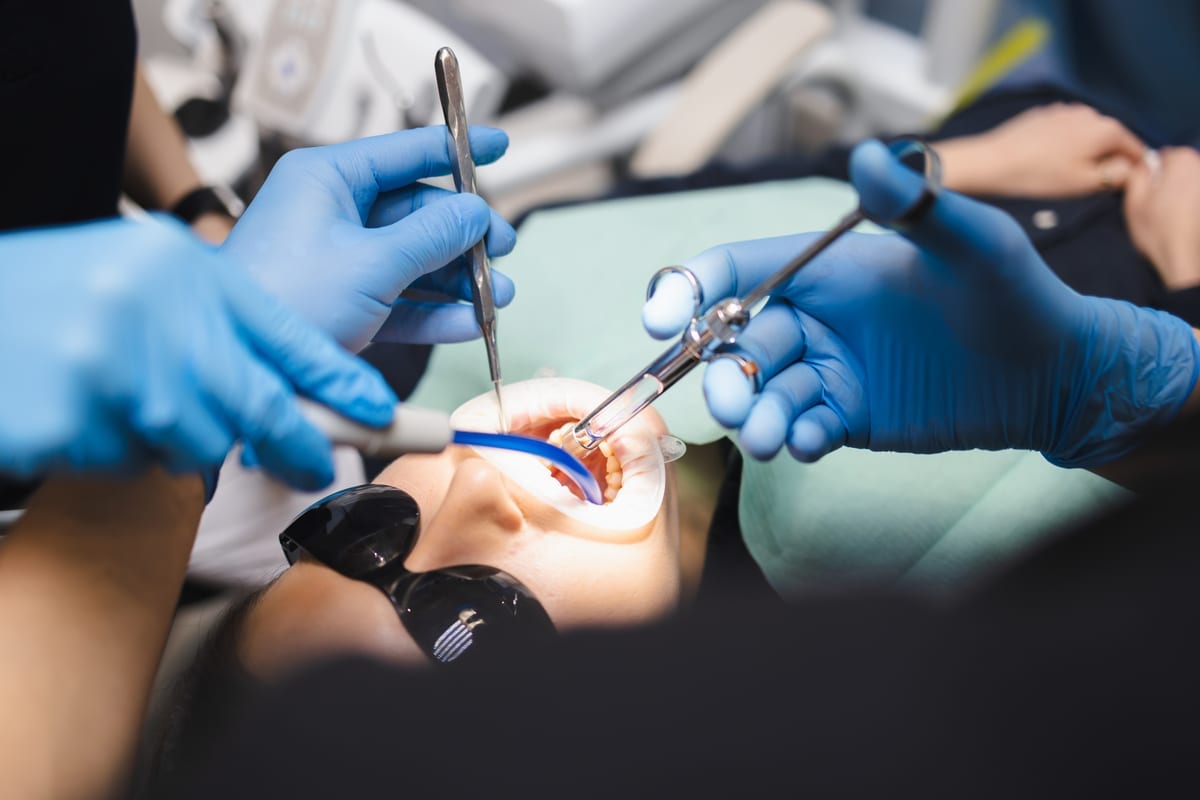
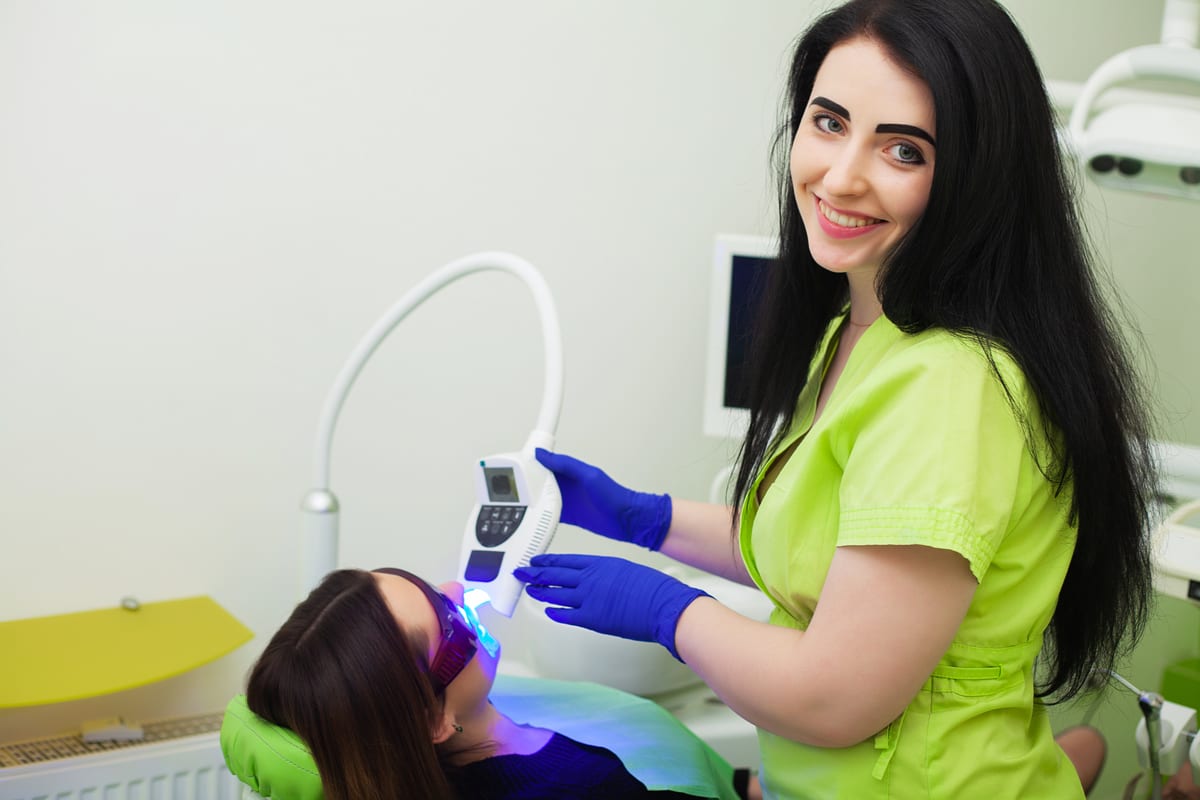
Professional whitening uses prescription-strength hydrogen peroxide or carbamide peroxide gel. Dr. Pierre Ghattas applies this gel with custom-fitted trays or an in-office light-activated system. The concentration is carefully calibrated for your specific tooth sensitivity level.
Store-bought kits use much lower peroxide concentrations — typically 3–10%. Professional treatments often reach 25–40% concentration under controlled conditions. That difference in strength is the primary reason results look so different.
Here is a quick side-by-side comparison of what each option actually offers:
- Professional whitening: Higher peroxide concentration, custom trays, dentist oversight, faster results
- Store strips: Lower concentration, one-size design, no professional supervision, slower gradual change
- Whitening toothpastes: Mild abrasion only, no bleaching effect, surface stains only
- Whitening rinses: Very limited contact time, minimal visible change
Custom trays from a dentist also ensure the gel covers every tooth evenly. Generic store trays often fit poorly and miss certain spots entirely.
Why Dentists Get Better Results in Kingwood
The reasons dentists achieve superior whitening results go beyond product strength alone. Dr. Ghattas evaluates your oral health before any whitening treatment begins. Untreated issues like cavities or gum inflammation can make whitening painful or ineffective.
Professional whitening also starts with a shade assessment. This allows realistic goal-setting and helps you understand what’s achievable for your tooth type. Some stains — like those from tetracycline antibiotics — respond differently than simple surface discoloration.
Sensitivity management is another major advantage. In-office treatments include desensitizing agents to reduce post-treatment discomfort. Store kits have no built-in sensitivity protection and no professional monitoring if problems arise.
Results from professional treatment typically appear after one session. Store kits often require several weeks of consistent daily use before any noticeable change becomes visible.
When Store Kits Are a Reasonable Choice
Being honest means acknowledging when store kits can work. If your teeth are already fairly white and you want light maintenance, strips may be sufficient. Touch-ups between professional appointments are a common and practical use for over-the-counter products.
Budget is also a real factor for many Kingwood families. Store kits are significantly cheaper upfront. However, buying multiple rounds of strips over months often adds up more than you might expect.
Store kits are not suitable for everyone. You should avoid them in these situations:
- You have crowns, veneers, or Crowns Bridges Kingwood — whitening gel does not change artificial tooth materials
- You have active tooth decay or gum disease
- You have had recent Root Canals Kingwood — treated teeth may whiten unevenly
- You experience significant tooth sensitivity already
- You have deep intrinsic stains that topical bleaching cannot reach
Using whitening products over dental restorations can create visible color mismatches. A dentist checks for these issues before recommending any whitening approach.
What to Expect During Professional Whitening at Dentistry of Kingwood
The process at Dentistry of Kingwood is straightforward and comfortable. Dr. Ghattas begins with an oral health exam to confirm your teeth and gums are ready. This step protects your long-term dental health, not just your appearance.
For in-office whitening, the appointment typically takes about one hour. A protective barrier is applied to your gums before the gel is placed. The whitening agent activates and lifts stains from within the enamel structure.
Take-home professional kits are another option the practice offers. These use custom-made trays filled with professional-grade gel at home. Results appear within a few days rather than weeks.
After your treatment, Dr. Ghattas provides guidance on maintaining your results. This includes food and drink recommendations for the first 48 hours. He also discusses how lifestyle factors like coffee and tea affect long-term brightness.
Making the Right Choice for Your Smile
The right whitening option depends on your current oral health, your goals, and your timeline. Professional whitening is the stronger choice when you want fast, reliable, and lasting results. It is especially important when existing dental work or sensitivity is part of the picture.
Store kits serve a narrow use case — mild maintenance for already healthy, natural teeth. They are not a substitute for professional care when meaningful change is the goal. A consultation with Dr. Ghattas takes only a short time and gives you a clear, personalized answer.
Dentistry of Kingwood serves patients across the Kingwood, TX area with patient-focused, education-first dental care. Dr. Ghattas and the team are committed to helping you make confident, informed decisions about your smile. Book Now to schedule your appointment with our team.
Frequently Asked Questions
How long do professional whitening results last compared to store kits?
Professional whitening results typically last 1–3 years with good oral hygiene and lifestyle habits. Store kit results, when visible, usually fade within a few months. Regular touch-up treatments at home or in-office can help extend brightness over time.
Is professional whitening safe for sensitive teeth?
Yes, when done under dental supervision. Dr. Ghattas evaluates sensitivity levels before treatment and uses desensitizing agents as needed. Professional products are applied in a controlled way that minimizes irritation, unlike store kits used without guidance.
Will whitening work on crowns, bridges, or veneers?
No — whitening gel only affects natural tooth enamel. Crowns, bridges, and veneers will not change color during whitening treatment. This can create a visible mismatch if these restorations are in visible areas, which is why a dentist review is essential first.
How many shades whiter can professional whitening achieve?
Most patients see a change of 4–8 shades with professional whitening. Results vary depending on the original shade, stain type, and treatment used. Dr. Ghattas sets realistic expectations during the initial shade assessment before treatment begins.
Can I use store whitening strips after a professional treatment?
Yes, low-concentration strips can help maintain your results between professional sessions. It is best to ask Dr. Ghattas which products are appropriate for your specific situation. Using them too frequently or incorrectly can increase sensitivity or cause uneven color.