1520 Green Oak Place, Suite B Kingwood, Tx 77339


Your Dental Crown Appointment: What Happens Step-by-Step

Feeling nervous before a dental crown appointment is completely normal. Many patients in Kingwood, TX tell us they worry most about what they cannot see coming. Understanding your dental crown appointment — what happens step-by-step in Kingwood — can make a real difference. When you know exactly what to expect, the whole experience feels far less intimidating. At Dentistry of Kingwood, Dr. Pierre Ghattas walks every patient through each stage so there are no surprises.
Why You Might Need a Dental Crown in Kingwood
A dental crown is a tooth-shaped cap placed over a damaged or weakened tooth. It restores the tooth’s shape, strength, and appearance. Crowns are often recommended after a large filling, a crack, or significant decay. They are also used to complete Root Canals Kingwood patients have already undergone, protecting the treated tooth afterward.
Crowns work alongside other restorations too. If you are missing a tooth, Crowns Bridges Kingwood solutions can anchor a bridge and restore your full smile. Dr. Ghattas evaluates each situation individually. His goal is always to preserve as much of your natural tooth as possible.
Knowing why you need a crown helps you feel confident in moving forward. It is not about cosmetics alone — it is about protecting your long-term oral health. Most patients who delay treatment end up needing more extensive work later. Acting now saves both your tooth and your comfort.
Your First Crown Visit: Preparation and Numbing
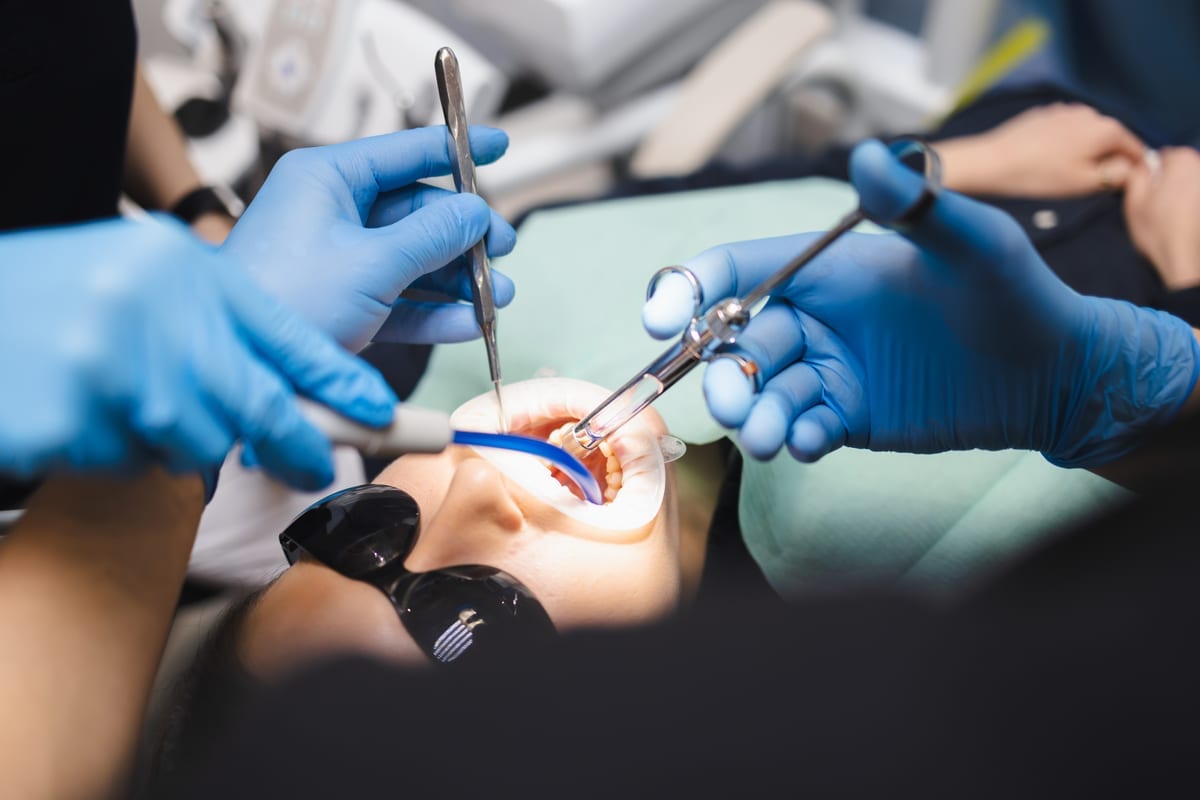
A standard crown treatment takes place over two separate appointments. The first visit focuses on preparing your tooth and taking impressions. Before anything else, Dr. Ghattas will make sure you are completely comfortable. He administers a local anesthetic to numb the tooth and the surrounding gum tissue.
Most patients feel only mild pressure — not pain — once the numbing takes effect. The anesthetic typically kicks in within a few minutes. Dr. Ghattas checks in with you throughout to confirm your comfort level. You are always in control and can signal if you need a moment.
Here is what happens during the preparation phase:
- The tooth is cleaned and examined for decay or damage
- Any decay is removed before shaping begins
- The tooth is gently reshaped to create room for the crown
- Impressions or digital scans are taken of the prepared tooth
- Shade matching is done if the crown needs to blend with surrounding teeth
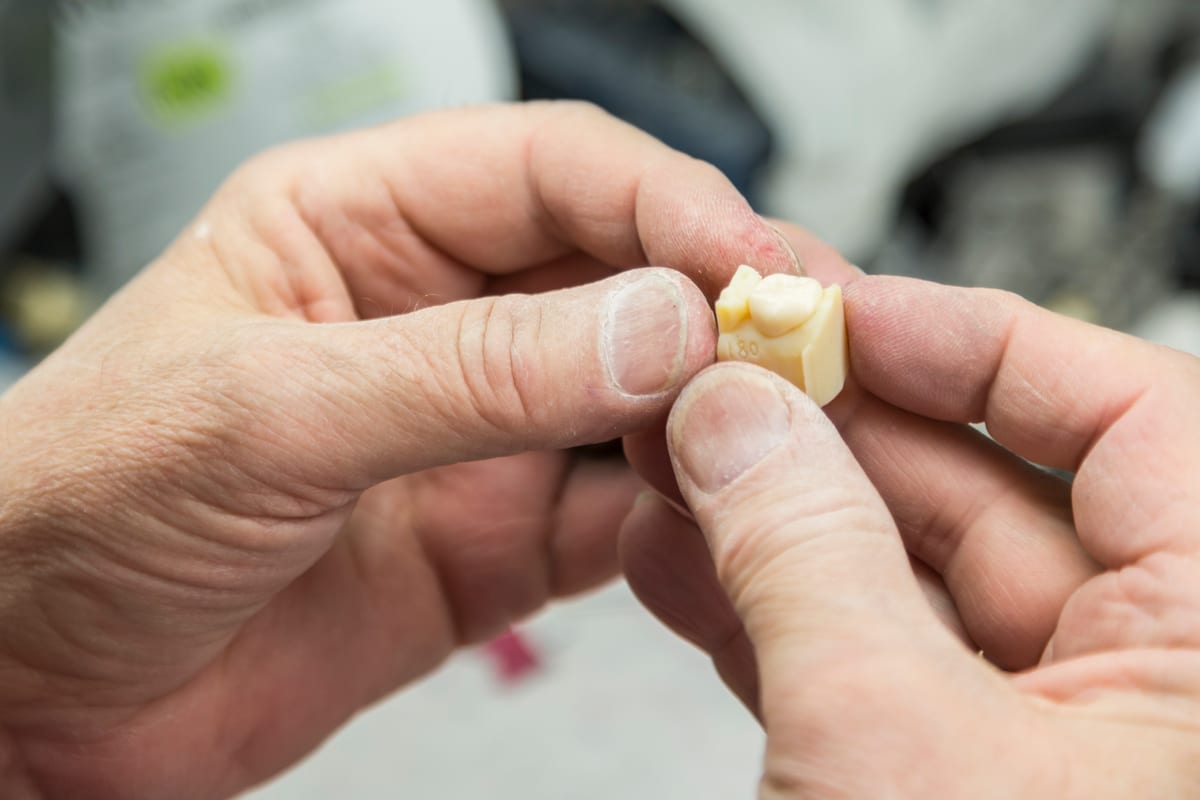
These impressions are sent to a dental lab. Skilled technicians use them to craft your permanent crown. This process usually takes one to two weeks.
The Temporary Crown: Protecting Your Tooth Between Visits
Once your tooth is prepared, you will not leave without protection. Dr. Ghattas places a temporary crown over the shaped tooth the same day. This keeps the tooth safe and functional while your permanent crown is being made. It also helps you get used to the feeling of a crowned tooth.
Temporary crowns are made from a resin material. They look natural but are not as durable as permanent ones. You should still chew and speak normally, but with a few adjustments. Here are some simple tips for caring for your temporary crown:
- Avoid sticky or chewy foods like caramel or gum
- Chew on the opposite side of your mouth when possible
- Brush gently around the temporary crown
- Floss carefully — slide the floss out rather than lifting it up
Some mild sensitivity is normal during this period. Cold or hot foods may cause brief discomfort. If the temporary crown feels loose or falls off, call our office right away. We will get you in quickly to re-cement it.
Your Second Crown Visit: Seating the Permanent Crown
When your permanent crown arrives from the lab, you return for your second appointment. This visit is usually shorter and more straightforward than the first. Dr. Ghattas removes the temporary crown and cleans the tooth thoroughly. The permanent crown is then tried in for fit and appearance before final placement.
Dr. Ghattas checks the crown from every angle. He looks at how it aligns with your bite and neighboring teeth. If any small adjustments are needed, they are made chairside before cementing. Your feedback during this step matters — speak up if something feels off.
Once the fit is confirmed, the crown is permanently bonded to your tooth. A special dental cement holds it securely in place. After cementing, any excess material is carefully removed. The whole seating appointment typically takes under an hour.
Benefits of your new permanent crown include:
- Restored chewing strength and function
- Protection against further cracking or decay
- A natural-looking tooth that blends with your smile
- Long-lasting results with proper home care
- Improved comfort compared to the damaged tooth
Aftercare and What to Expect Once You Leave
Some sensitivity after your final crown placement is completely normal. It may last a few days as your tooth and gum tissue settle. Over-the-counter pain relief is usually enough to manage any discomfort. Most patients resume normal eating habits within 24 to 48 hours.
Brush and floss around your crown just like a natural tooth. Good home hygiene extends the life of your restoration significantly. Crowns can last 10 to 15 years or longer with proper care. Routine checkups at Dentistry of Kingwood help us monitor your crown and catch any early issues.
Call our office if you notice any of these concerns after placement:
- Persistent pain lasting more than a week
- A crown that feels too high when you bite down
- Visible cracks or chips in the crown material
- Increased sensitivity that worsens over time
These issues are uncommon, but we want to know about them right away. Early attention always leads to the best outcomes. Dr. Ghattas and the team at Dentistry of Kingwood are here to support you through every stage of your treatment.
Schedule Your Crown Appointment in Kingwood Today
Understanding your dental crown appointment — what happens step-by-step in Kingwood — takes the mystery out of the process. From numbing to temporary placement to final seating, every step has a clear purpose. Dr. Ghattas and his team are committed to making each visit comfortable, clear, and stress-free. Book Now to schedule your appointment with our team.
Frequently Asked Questions
How long does a dental crown appointment take?
The first appointment typically lasts 60 to 90 minutes. This includes numbing, tooth preparation, and impressions. The second appointment, when the permanent crown is placed, usually takes 45 to 60 minutes. Total treatment spans one to two weeks between visits.
Will I feel pain during my crown procedure?
Most patients feel little to no pain during the procedure. Local anesthetic numbs the tooth and surrounding tissue before work begins. You may feel mild pressure or vibration, but not sharp pain. Dr. Ghattas checks your comfort level throughout the entire appointment.
How do I care for my temporary crown at home?
Avoid sticky, hard, or chewy foods while wearing your temporary crown. Chew on the opposite side of your mouth when possible. Brush gently and floss carefully around the area. If the temporary crown loosens or comes off, contact our office promptly for re-cementation.
How long do dental crowns last?
With good oral hygiene and regular dental checkups, crowns can last 10 to 15 years or more. Avoid habits like grinding your teeth or chewing ice, which can shorten a crown’s lifespan. Dr. Ghattas monitors your crown at every routine visit to catch early signs of wear.
Can a crown be placed the same day?
In most cases, crowns require two visits — one for preparation and one for final placement. Some practices offer same-day crowns using in-office milling technology. Dr. Ghattas will discuss the best approach for your specific situation during your consultation.