1520 Green Oak Place, Suite B Kingwood, Tx 77339


Why Your Root Canal Needs a Crown to Actually Last

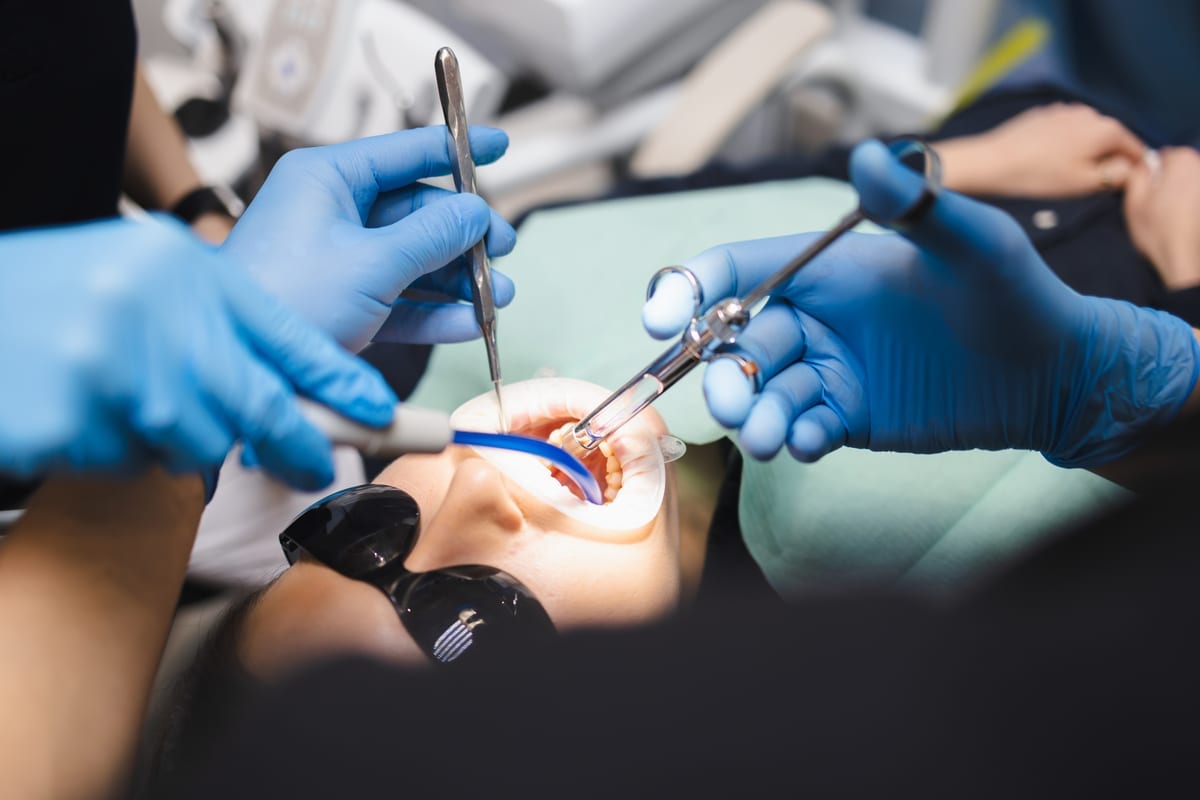
Understanding why your root canal needs a crown to actually last in Kingwood can save your tooth — and your wallet. Many patients complete root canal therapy and feel immediate relief. Then they delay the crown appointment. That single decision is one of the most common reasons treated teeth fail prematurely.
At Dentistry of Kingwood, Dr. Pierre Ghattas sees this situation regularly. A successful root canal is only half the story. The crown is what protects and preserves your tooth for the long term. Here is what every patient in Kingwood should know.
What Root Canal Treatment Actually Does to Your Tooth
A Root Canals Kingwood procedure removes infected or damaged pulp tissue from inside the tooth. The canals are then cleaned, shaped, and sealed with a rubber-like filling material. This eliminates the infection and stops the pain.
However, removing the pulp changes the tooth’s structure significantly. The tooth loses its internal blood supply and moisture source. Over time, it becomes more brittle and prone to fracture. Think of it like a dried-out twig — it snaps far more easily than a living branch.
The outer shell of the tooth remains intact after treatment. But that shell is now vulnerable without the reinforcement a crown provides. A small crack or fracture can render the entire root canal investment worthless.
Why Skipping the Crown Puts Your Tooth at Real Risk
Patients sometimes feel great after root canal therapy and assume the job is done. The pain is gone. The infection is treated. Why spend more time and money on a crown?
The answer comes down to structural integrity. A root-canal-treated tooth typically has a large access opening filled with a temporary or semi-permanent material. That filling does not protect against the biting forces your teeth handle daily. Without a crown, here is what can happen:
- The tooth can crack vertically — a fracture that often cannot be repaired
- Bacteria can re-enter through microleakage around the filling
- The tooth can break under normal chewing pressure
- Reinfection may develop, requiring retreatment or extraction
- You may lose the tooth entirely, requiring an implant or bridge
Vertical root fractures are especially devastating. They are usually non-restorable. The tooth must be extracted. All the time and cost of root canal therapy is then lost.
Placing a Crowns Bridges Kingwood restoration completes the treatment properly. It seals the tooth, distributes biting forces evenly, and protects against fracture. Skipping it is a short-term saving with a high long-term cost.
What the Crown Appointment Involves at Dentistry of Kingwood
Many patients feel anxious about additional dental appointments. Understanding what to expect makes the process much less intimidating. The crown procedure is straightforward and typically completed over two visits.
Here is a step-by-step overview of what happens during your crown appointments:
- Tooth preparation: Dr. Ghattas gently reshapes the outer surface of the tooth. This creates space for the crown to fit naturally within your bite.
- Impressions or digital scans: Precise measurements of your tooth are taken. These ensure your custom crown fits perfectly.
- Temporary crown placement: A temporary crown protects the tooth between visits. It maintains your bite and appearance while the permanent crown is fabricated.
- Crown delivery: At your second appointment, the permanent crown is checked for fit and bite. Dr. Ghattas then bonds it securely into place.
- Final adjustments: Minor adjustments ensure your bite feels completely natural and comfortable.
The entire process is designed with patient comfort in mind. Local anesthesia keeps you comfortable throughout preparation. Most patients are surprised by how manageable the appointments feel.
How Long Should You Wait Before Getting Your Crown?
This is one of the most common questions Dr. Ghattas hears from Kingwood patients after root canal treatment. The short answer is: do not wait long.
Most dental professionals recommend placing a permanent crown within four to six weeks of completing root canal therapy. Some teeth may be crowned even sooner. Every additional week without a crown increases fracture risk.
Certain factors make prompt crown placement especially important:
- Molars and premolars absorb heavy chewing forces and need crowns most urgently
- Teeth with larger cavities or previous large fillings have less natural structure remaining
- Patients who grind or clench their teeth face higher fracture risk without a crown
- Teeth treated for severe infections may need close monitoring before crowning
Front teeth sometimes have more flexibility in timing. They bear less biting pressure than back teeth. However, they still benefit greatly from crown protection over time.
Dr. Ghattas evaluates each patient individually. He provides a clear, personalized recommendation based on your specific tooth and clinical situation. There is no one-size-fits-all timeline, but acting promptly is nearly always the right call.
The Long-Term Value of Completing Your Treatment
A root canal followed by a crown gives your natural tooth the best possible chance at lasting decades. Protecting your natural tooth is always the preferred outcome in modern dentistry. Natural teeth function better than any replacement option available today.
Dental implants and bridges are excellent solutions when teeth are lost. But they involve additional procedures, healing time, and complexity. Saving your original tooth with a crown is simpler, more cost-effective long-term, and preserves surrounding bone structure naturally.
Patients in Kingwood who complete their full root canal and crown treatment consistently report satisfaction with the outcome. The treated tooth functions normally. It looks like a natural tooth. With proper care, it can last a lifetime.
Dr. Ghattas and the team at Dentistry of Kingwood are committed to helping every patient understand their treatment fully. You deserve to know exactly why each step matters — not just what needs to be done. Book Now to schedule your appointment with our team.
Frequently Asked Questions
Is a crown always required after a root canal?
In most cases, yes. Back teeth like molars and premolars almost always require a crown after root canal treatment due to the heavy forces they endure. Front teeth may sometimes be restored with a filling and post, but a crown still offers superior long-term protection. Dr. Ghattas evaluates each case individually to recommend the best option.
Can I eat normally while waiting for my permanent crown?
You can eat with a temporary crown in place, but some precautions apply. Avoid hard, crunchy, or sticky foods that could dislodge or crack the temporary. Chew on the opposite side of your mouth when possible. Temporary crowns are not as durable as permanent ones, so protecting them helps ensure a smoother second appointment.
How long does a dental crown last after a root canal?
A well-placed crown on a properly treated tooth can last fifteen to twenty-five years or longer with good oral hygiene. Lifespan depends on factors like bite forces, grinding habits, and how well you maintain your gum health. Regular checkups at Dentistry of Kingwood help monitor the crown and catch any issues early.
What happens if my tooth breaks before I get the crown?
If a root-canal-treated tooth fractures before the crown is placed, the outcome depends on where and how severe the fracture is. Minor chips may still allow crown placement. Vertical root fractures often mean the tooth cannot be saved and must be extracted. This is exactly why prompt crown placement is so strongly recommended.
Does getting a crown hurt after a root canal?
The crown procedure is generally very comfortable. Local anesthesia is used during tooth preparation, so you should feel no pain during the appointment. Some mild sensitivity or gum soreness may occur for a day or two after each visit. This is normal and typically resolves quickly on its own.