1520 Green Oak Place, Suite B Kingwood, Tx 77339


Modern Dentures Look Nothing Like Your Grandmother’s Anymore

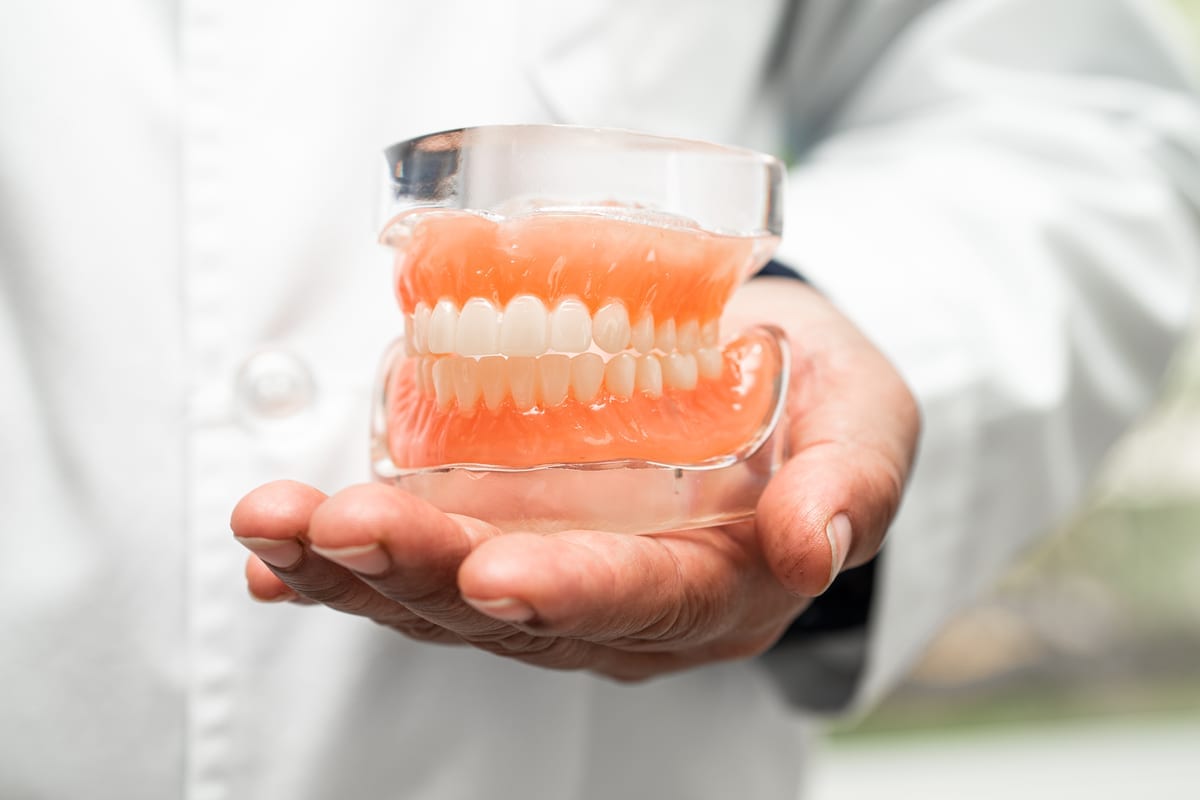
If the word ‘dentures’ makes you picture slipping, bulky teeth soaking in a bedside glass, think again. Modern dentures look nothing like your grandmother’s anymore — especially here in Kingwood, TX. Today’s options are sleeker, more comfortable, and far more natural-looking than anything previous generations experienced. Dr. Pierre Ghattas at Dentistry of Kingwood wants every patient to understand just how much this field has evolved.
Why Modern Dentures in Kingwood Are a Completely Different Experience
Decades ago, dentures were made from rigid, one-size-fits-all molds. The materials were basic, and fit was often more of a best guess than a precise science. Patients dealt with slippage, sore spots, and embarrassing clicking sounds every single day. That era is firmly behind us now.
Today, dental labs use advanced digital scanning and computer-aided design to create restorations. Each denture is custom-crafted to match your unique jaw anatomy. The result is a fit that feels far more secure and natural than anything your grandmother ever wore.
Modern acrylic and porcelain blends mimic the translucency of real tooth enamel. Gum-colored bases are carefully shade-matched to your natural tissue. Even up close, today’s dentures are remarkably difficult to distinguish from natural teeth.
The Materials Have Changed Everything About Comfort and Appearance
Old dentures were notoriously prone to staining, cracking, and warping over time. Early plastics simply could not hold up against daily chewing forces. Patients often had to replace them frequently, adding both cost and frustration to the experience.
Modern denture materials are engineered for durability. High-impact acrylic resists fractures far better than older plastics did. Some premium options even incorporate flexible, lightweight polymers for enhanced everyday comfort.
Here is a quick look at what today’s denture materials offer:
- High-density acrylic: Resists cracking and staining over time
- Flexible polymer bases: Reduce pressure points and improve comfort
- Porcelain or composite teeth: Deliver lifelike color, texture, and translucency
- Digital fit mapping: Ensures precise contact with gum tissue from day one
- Biocompatible resins: Minimize gum irritation and allergic reactions
These advancements mean patients spend far less time adjusting to their dentures. Most people adapt within days rather than weeks or months. That is a meaningful quality-of-life improvement for anyone making this transition.
Implant-Supported Dentures: The Game-Changing Option Now Available in Kingwood
Perhaps the biggest leap forward in modern denture technology is implant support. Traditional dentures rest on the gum surface and rely on suction or adhesive. Implant-supported dentures anchor directly to titanium posts placed in the jawbone.
This anchoring system eliminates the slippage that made older dentures so frustrating. You can eat, laugh, and speak without worrying about your teeth shifting. Many patients describe the difference as feeling like natural teeth again.
Implant-supported options also protect your jawbone over time. When teeth are missing, the underlying bone gradually shrinks through a process called resorption. Implants stimulate the bone just like natural tooth roots do, helping to preserve your facial structure for years.
Not every patient is an immediate candidate for implants. Dr. Ghattas carefully evaluates bone density and overall oral health before recommending this path. Sometimes other restorative work — such as Root Canals Kingwood or Crowns Bridges Kingwood — helps prepare the mouth first. Every treatment plan is tailored to the individual patient’s needs.
What the Fitting Process Looks Like Today Versus the Past
Your grandmother’s denture fitting likely involved messy putty impressions and multiple uncomfortable appointments. Results were imprecise, and adjustments were expected and frequent. It was a process most patients simply tolerated rather than enjoyed.
Modern fitting begins with digital intraoral scanning. A small wand gently captures thousands of data points about your mouth in minutes. There is no gagging on impression material and no guesswork involved.
That digital data feeds directly into lab software for fabrication. Tolerances are measured in fractions of a millimeter. The denture that arrives is designed to fit your specific anatomy from the very first try.
Here is what the modern denture process at Dentistry of Kingwood typically involves:
- Comprehensive exam: Dr. Ghattas assesses your gum health, bone levels, and bite relationship
- Digital impressions: Precise 3D scans replace traditional putty molds
- Shade and shape selection: You help choose tooth color and size for the most natural result
- Trial fitting: A wax or prototype denture is tested before final fabrication
- Delivery and adjustment: Final denture is seated with any minor refinements made on the spot
This streamlined process saves time and dramatically improves accuracy. Fewer follow-up adjustment visits are needed compared to the old approach. Patients leave feeling confident rather than resigned to a lengthy breaking-in period.
Caring for Modern Dentures Is Simpler Than You Might Expect
One concern many patients bring up is maintenance. They remember watching a grandparent remove and soak their teeth every night and wonder if they face the same routine. The answer depends on the type of denture you choose.
Removable dentures still benefit from nightly cleaning and soaking in a gentle solution. This keeps them free of bacteria and maintains their appearance over time. However, the process is far quicker and less cumbersome than it used to be.
Implant-supported dentures can often be brushed in place just like natural teeth. Daily flossing and regular professional cleanings keep the gum tissue and implant sites healthy. Many patients find this feels almost identical to caring for their original teeth.
A few universal care tips for any denture type include:
- Rinse after every meal to remove food debris
- Use a soft-bristled brush designed for dentures
- Avoid abrasive toothpaste that scratches the surface
- Never use boiling water, which can warp the base material
- Schedule regular checkups so Dr. Ghattas can monitor fit and gum health
Taking the Next Step With Confidence in Kingwood
It is completely understandable if you have hesitated about dentures based on what you witnessed growing up. Those memories are real, and the concerns they created are valid. But the technology that exists today in Kingwood bears very little resemblance to what earlier generations endured.
Dr. Pierre Ghattas and the team at Dentistry of Kingwood take a patient-centered approach to every restoration. The goal is always a result that looks natural, feels comfortable, and supports your long-term oral health. You deserve to smile without hesitation or worry.
If you are ready to explore what today’s dentures can truly offer, Book Now to schedule your appointment with our team.
Frequently Asked Questions
How do modern dentures differ from older dentures in terms of fit?
Modern dentures use digital scanning technology to map your mouth with extreme precision. This produces a custom fit that reduces slippage and pressure points significantly. Older dentures relied on manual impressions and were far less accurate by comparison.
Are implant-supported dentures a good option for most patients?
Implant-supported dentures work well for many patients who have adequate bone density in the jaw. Dr. Ghattas evaluates each patient individually to determine candidacy. Some patients may need bone grafting or other preparatory procedures before implants are placed.
Do modern dentures look natural enough to go unnoticed?
Yes — today’s materials closely mimic the color, translucency, and texture of real teeth. Skilled technicians also match the gum-colored base to your natural tissue tone. Most people cannot tell the difference between modern dentures and natural teeth in everyday conversation.
How long do modern dentures typically last?
With proper care, well-made modern dentures generally last between seven and ten years. Implant-supported versions often last even longer because the implants themselves are highly durable. Regular checkups with Dr. Ghattas help ensure your dentures remain properly fitted as your jaw naturally changes over time.
Will I need to avoid certain foods with dentures?
Traditional removable dentures do require some dietary adjustments, particularly with very hard or sticky foods. Implant-supported dentures restore far more chewing power, allowing a broader diet. Dr. Ghattas will guide you based on the specific type of denture best suited to your situation.