1520 Green Oak Place, Suite B Kingwood, Tx 77339


Keep Your Smile Bright: What Dentists Wish You Knew About Whitening Maintenance

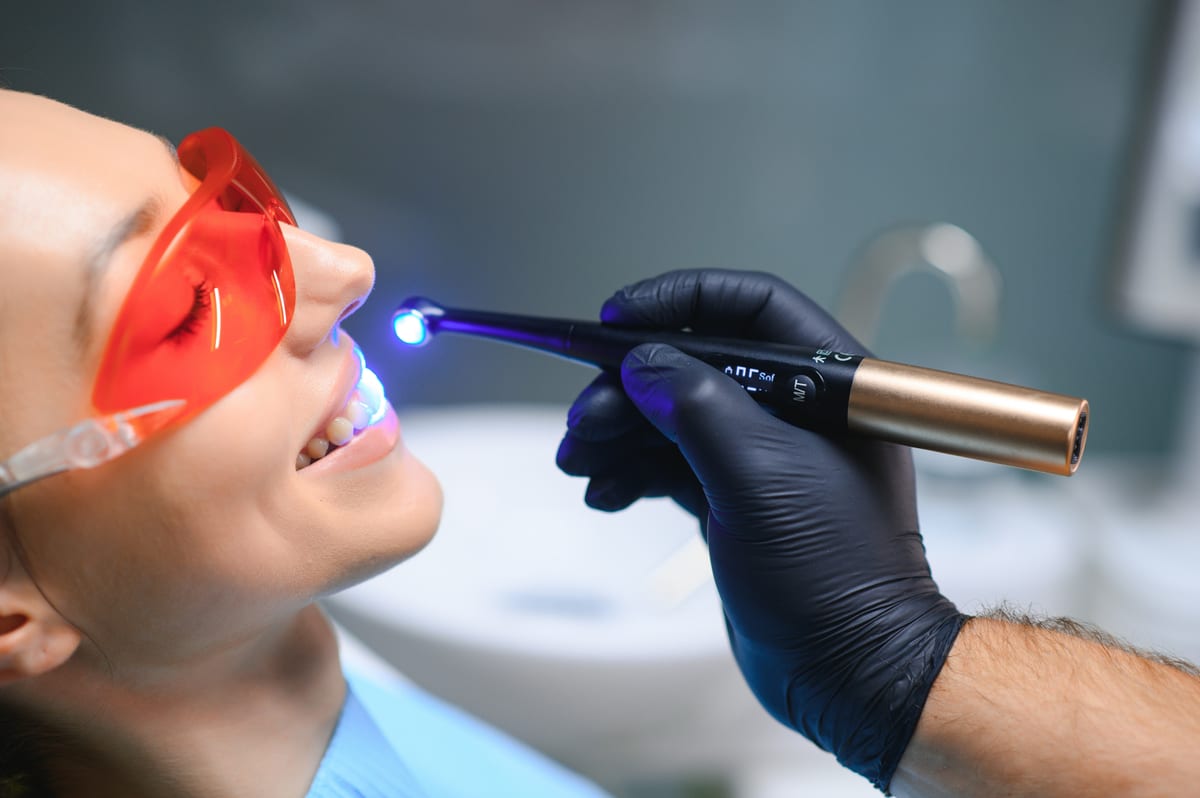
You invested in a brighter smile — now what? Many Kingwood patients are surprised to learn that whitening results need ongoing care. Keeping your smile bright after treatment is just as important as the whitening itself. At Dentistry of Kingwood, Dr. Pierre Ghattas helps patients understand whitening maintenance so results last longer. If you want to keep your smile bright in Kingwood, this guide is for you.
Why Whitening Results Fade — And What That Means for You
Teeth whitening is not permanent. The enamel surface of your teeth is porous, which means it absorbs pigment from food and drinks over time. Professional whitening removes existing stains effectively. However, without proper maintenance, those stains return faster than most patients expect.
The speed of fading depends on your daily habits. Coffee, tea, wine, and tobacco are the biggest culprits. Even certain fruits and sauces can cause gradual discoloration. Understanding what causes staining helps you take control of how long your results last.
Most patients notice visible fading within three to six months without any maintenance routine. With the right habits and occasional touch-ups, results can last a year or longer. The goal is not to whiten endlessly — it is to protect what you have already achieved.
How Often Should You Schedule Whitening Touch-Ups in Kingwood?
Touch-up frequency varies from person to person. Dr. Ghattas typically recommends a professional touch-up every six to twelve months for most patients. Those who consume staining foods and drinks regularly may need touch-ups sooner. Patients who avoid those triggers often stretch their results further.
At-home whitening trays are one of the most convenient maintenance tools available. Custom trays made by your dentist fit precisely and deliver even whitening gel coverage. Using them for a short session every few weeks helps prevent stains from building up. This approach keeps your shade consistent without repeated full treatments.
Over-whitening is also a real concern. Using whitening products too frequently can cause tooth sensitivity and enamel wear. Always follow your dentist’s recommended schedule rather than whitening on impulse. More is not always better when it comes to your teeth.
Daily Habits That Protect Your Whitening Results
Small daily choices make a significant difference in how long your results last. Rinsing your mouth with water after consuming staining beverages is a simple but effective habit. It flushes away pigment before it has time to settle into the enamel. This one step alone can meaningfully extend your whitening results.
Brushing twice daily with a whitening toothpaste also helps. Look for products with mild abrasives or hydrogen peroxide. These help remove surface stains without harming enamel when used correctly. Ask Dr. Ghattas to recommend a toothpaste that suits your specific sensitivity level.
Using a straw when drinking coffee, iced tea, or soda reduces direct contact with your teeth. It sounds small, but it genuinely helps. Avoiding smoking or tobacco products is equally important — tobacco causes some of the most stubborn, deep-set staining.
- Rinse with water after staining foods or drinks
- Brush twice daily with a dentist-approved whitening toothpaste
- Use a straw for dark beverages whenever possible
- Avoid tobacco products in any form
- Floss daily to prevent stain buildup at the gumline
- Attend regular dental cleanings every six months
Foods and Drinks to Limit After Whitening Treatment
The first 48 hours after a whitening treatment are the most critical. Your enamel pores remain open during this window, making teeth especially vulnerable to new staining. This period is sometimes called the white diet phase. Sticking to light-colored foods and drinks during this time protects your investment.
Beyond those initial 48 hours, moderation is the key strategy. You do not need to eliminate coffee or red wine forever. However, being mindful of how often you consume them makes a real difference. Pairing staining foods with water and rinsing afterward helps reduce their impact.
Here is a quick reference for foods to enjoy with caution:
- Limit frequently: Coffee, black tea, red wine, dark berries, tomato sauce, soy sauce, and balsamic vinegar
- Avoid or quit entirely: Tobacco products, heavily pigmented sports drinks, and dark sodas
- Safe and tooth-friendly choices: Water, milk, white rice, chicken, bananas, and yogurt
Acidic foods are also worth monitoring. Citrus fruits and carbonated drinks can weaken enamel over time. Weakened enamel stains more easily and becomes more sensitive. Balancing your diet protects both your whitening results and your overall dental health.
How Your Overall Dental Health Connects to Whitening Success
Whitening works best on healthy teeth with intact enamel. Patients with untreated decay or gum disease may not achieve optimal results from whitening. Addressing underlying dental issues first ensures a stronger foundation for cosmetic treatment. Dr. Ghattas always performs a thorough exam before recommending any whitening plan.
Dental restorations like crowns and bridges do not respond to whitening agents. If you have visible restorations, your dentist needs to plan whitening carefully to avoid mismatched shading. Patients in Kingwood can explore Crowns Bridges Kingwood options that complement their natural tooth shade after whitening. Coordinating these treatments creates a seamlessly uniform smile.
Some patients experience tooth sensitivity after whitening. This is common and usually temporary. Using desensitizing toothpaste and reducing whitening frequency helps manage it. In rare cases where sensitivity is severe or linked to another issue, a deeper evaluation may be needed — including ruling out concerns that could require Root Canals Kingwood treatment.
Regular professional cleanings are the backbone of any whitening maintenance plan. Hygienists remove tartar and surface stains that daily brushing cannot reach. Clean teeth also respond better to future whitening sessions. Scheduling cleanings every six months keeps your smile in optimal condition year-round.
Conclusion: A Brighter Smile Starts With the Right Maintenance Plan
Achieving a white smile is the first step — maintaining it is the ongoing commitment. With the right daily habits, smart food choices, and periodic touch-ups, your results can last far longer than you might expect. Dr. Pierre Ghattas and the team at Dentistry of Kingwood are here to guide you through every step of your whitening journey. A personalized maintenance plan makes all the difference. Book Now to schedule your appointment with our team.
Frequently Asked Questions
How long do professional whitening results typically last?
Most patients see results that last between six months and two years. The exact duration depends on diet, oral hygiene habits, and how frequently you use at-home maintenance products. Regular touch-ups and cleanings help extend results significantly.
Can I whiten my teeth too often?
Yes, over-whitening is possible and can cause increased tooth sensitivity and enamel erosion over time. Always follow the schedule recommended by Dr. Ghattas rather than whitening on a self-directed timeline. Professional guidance ensures you get the best results without harming your teeth.
Are whitening toothpastes effective for maintenance?
Whitening toothpastes can help remove surface stains and slow the return of discoloration. They are not strong enough to dramatically change tooth shade on their own, but they work well as part of a broader maintenance routine. Ask your dentist which formula is safest for your enamel.
What should I eat right after a whitening treatment?
During the first 48 hours after whitening, stick to light-colored foods and beverages. Good options include water, milk, white rice, plain chicken, bananas, and yogurt. Avoiding dark, pigmented, or acidic foods during this window protects your freshly treated enamel from immediate restaining.
Does teeth whitening work on crowns or dental bridges?
Whitening agents do not change the color of dental restorations like crowns or bridges. If you have visible restorations, it is important to discuss this with Dr. Ghattas before beginning whitening. He can help you plan a treatment approach that results in a consistent, natural-looking shade across your entire smile.