1520 Green Oak Place, Suite B Kingwood, Tx 77339


Can Teeth Whitening Work on Stains from Coffee or Smoking?


Most of us reach for coffee first thing in the morning, or maybe a cigarette when we’re stressed. These little habits stick with us, but they stick to our teeth, too. Over time, they leave behind stains that can be tough to remove. If your teeth aren’t as bright as they used to be, you’re definitely not alone. Coffee and smoking are two of the most common reasons people see their smiles lose their shine. The upside? Teeth whitening actually helps. But do these treatments work on stubborn coffee and tobacco stains? Let’s break down what’s really going on and what you can expect from whitening.
How Coffee and Smoking Damage Your Smile
Coffee and cigarettes are notorious for staining teeth, and there’s real science behind it.
- Coffee’s packed with dark pigments and acids. Every cup coats your enamel a little more, and over time, those stains get darker and harder to scrub away.
- Smoking isn’t any better. Cigarette smoke is full of tar and nicotine. When nicotine hits the air, it turns yellow and clings to your teeth, while tar leaves its own sticky residue.
And it’s not just surface-level. These stains can work their way through the enamel, settling in deep and making your teeth look dull or yellow.
Can Teeth Whitening Help?
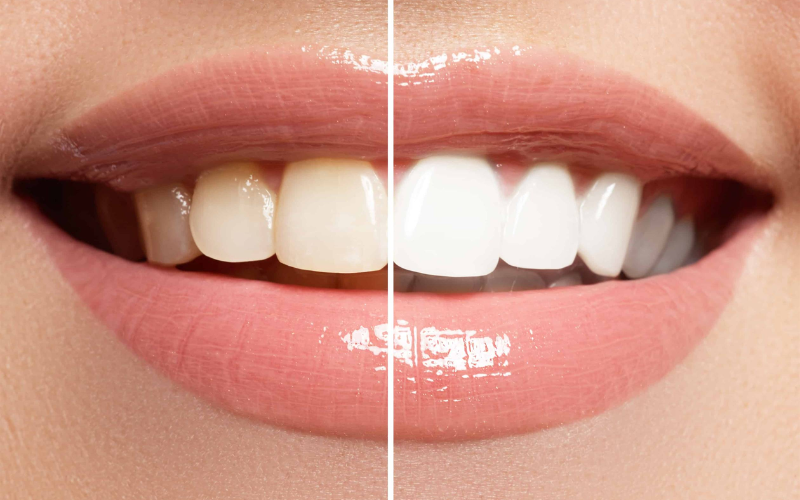
Professional teeth whitening treatments do work against coffee and smoking stains.
Surface Stains vs. Deep Stains
Most whitening treatments target surface stains—the kind that come from your morning coffee or daily cigarette. Professional-grade whitening agents are strong enough to lift those stains fast.
If stains have been around for years and burrowed deeper into your teeth, you might need something more than basic whitening. For those stubborn, set-in stains, dental veneers or bonding can cover them up and give you a fresh look.
What Kind of Whitening Works?
- In-Office Whitening: If you want quick, dramatic results, in-office treatments are the way to go. Places like Dentistry of Kingwood use robust whitening solutions, and you’ll usually see a big difference after just one visit.
- Take-Home Kits: Prefer to whiten at home? Dentist-provided kits use a lower-strength formula, but if you use it regularly, you’ll see your teeth brighten up over a few weeks. They’re a good option if you want to go at your own pace.
You can also find plenty of at-home products at the store, but they’re usually weaker and take longer to show real results on stubborn coffee or tobacco stains.
How to Keep Your Smile Bright
Once you’ve invested in whitening, you’ll want to keep those results. Here’s what helps:
- Cut Back on Coffee and Smoking: Less coffee and fewer cigarettes mean less risk of new stains. If you can’t quit, try drinking coffee with a straw to reduce its contact with your teeth.
- Brush Regularly: Brush twice a day with whitening toothpaste. It helps scrub away the stains before they set in.
- Try a Whitening Mouthwash: Mouthwash can help clean between teeth and along the gumline, places your toothbrush can’t always reach.
Professional whitening treatments are a solid fix for coffee and smoking stains. They work fast and safely, compared to over-the-counter options. But to keep your smile bright, you need to follow good brushing habits and watch out for the things that stain your teeth in the first place.
Reach out to Kingwood Dentistry for a personalized whitening plan. We’re here to help you feel confident showing off your bright, healthy teeth.
Frequently Asked Questions
1. How long do teeth whitening results last?
The longevity of your whitening results depends on your lifestyle habits. If you continue to drink coffee or smoke, the results may fade quickly. On average, teeth whitening results last between 6 months and 2 years.
2. Is teeth whitening safe?
Yes, when performed under a dentist’s supervision, teeth whitening is safe. Over-the-counter products may pose a higher risk of irritation or enamel damage.
3. How much whiter will my teeth get after treatment?
The level of whitening depends on the severity of the stains. Professional whitening treatments can make your teeth several shades whiter, but some stains may be more resistant to treatment.
4. Can I whiten my teeth at home?
While at-home whitening products are available, professional treatments provide faster, more noticeable results. A dentist can guide you on the best options based on your needs.