
1520 Green Oak Place, Suite B Kingwood, Tx 77339


Dental Bridges: How They Can Transform Your Oral Health?

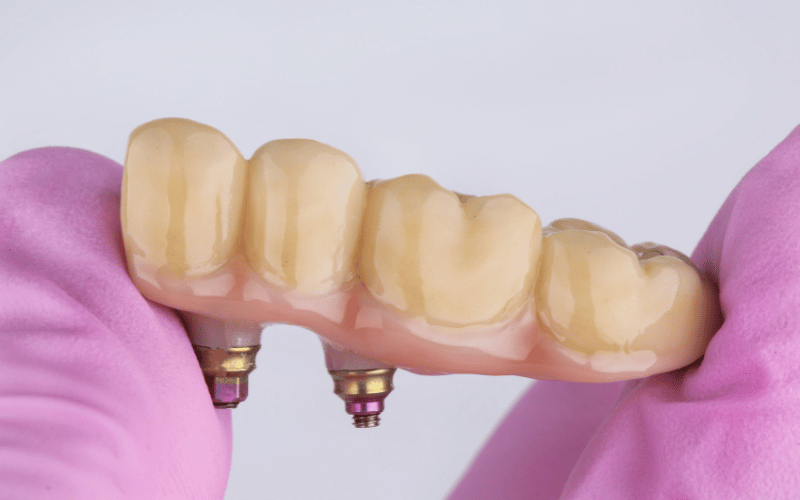
Dental bridges are a dependable tooth replacement option that can help you regain your confidence and oral health. Missing teeth can cause significant issues, from difficulty eating and speaking to changes in your facial structure. These spaces may eventually cause other dental issues like shifting teeth and bone loss.
These bridges are available in various types. They effectively address these concerns by filling the gaps with artificial teeth, ensuring your mouth functions correctly and looks natural. If you are experiencing tooth loss, explore dental bridges. It can be the first step toward reclaiming your smile and oral health.
What Are Dental Bridges?
A dental bridge is a prosthetic. It is used to replace one or more lost teeth by securing prosthetics, or artificial teeth, to nearby natural teeth or dental implants. These bridges preserve the ideal alignment of your teeth and jaw while improving the appearance of your smile.
There are four primary varieties of dental bridges in Kingwood:
- Traditional Bridges: They are the most prevalent kind. An implant or tooth on each side of the missing tooth’s crowns is joined by a pontic in a typical bridge. Usually, porcelain is fused with metal or ceramic to create them.
- Cantilever Bridges: When a lost tooth or teeth only have neighboring teeth on one side, these are utilized. Like traditional bridges, they involve creating a crown for the supporting tooth and attaching the pontic.
- Maryland Bridges (Resin-Bonded Bridges): Maryland bridges are often used to replace front teeth. With the help of a metal or porcelain framework, they are composed of porcelain fused to metal or plastic teeth and gums. The framework has wings on either side, which are bonded to the back of the existing teeth.
- Implant-Supported Bridges: Implant-supported bridges, as the name implies, are maintained in place by dental implants as opposed to crowns. These are often used when more than one tooth is missing. Implant-supported bridges offer superior stability and are typically made from porcelain or zirconia.
Why Consider a Dental Bridge?
The neighboring teeth may start to move when a tooth is gone, causing misalignment and biting issues. This misalignment can cause excessive wear on your remaining teeth. It can lead to conditions such as TMJ (temporomandibular joint) disorders, which can cause jaw pain and headaches. Additionally, the inability to chew and talk correctly caused by missing teeth can have an impact on your diet. Your general health can also have an impact.
When it comes to repairing your teeth’s beauty and functionality, dental bridges are essential. A dental bridge helps evenly distribute the stresses in your bite. It also minimizes the chance of harm to surrounding teeth by replacing the space created by a lost tooth. Additionally, these bridges stop the movement of your remaining teeth, which could cause other dental issues.
From a cosmetic standpoint, these bridges can change the appearance of your teeth and give you the self-assurance to eat, speak, and smile without holding back. Furthermore, they preserve the facial structure, lessening the sunken appearance that tooth loss, particularly in the front of the mouth, can cause.
Comparing these bridges to other tooth replacement options, such as dentures and implants, highlights their unique advantages. While dentures are removable and may slip or cause discomfort, bridges are fixed in place, offering greater stability and comfort.
Although dental implants are another excellent option, they require surgery and are often more expensive. In contrast, dental bridges provide a less invasive, cost-effective solution that still offers excellent results. However, the choice between a bridge, implant, or denture should be made in consultation with your dentist based on your oral health, budget, and personal preferences.
Benefits of Dental Bridges
Restored Ability to Chew and Speak: Dental bridges fill in the spaces created by missing teeth to enable you to chew and speak normally again. This ensures that your food is properly processed for digestion and that your speech is not impaired by missing teeth.
Improved Appearance and Smile: One of the most immediate benefits of these bridges is the restoration of your smile. A well-crafted bridge looks natural, blending seamlessly with your surrounding teeth, which enhances your overall appearance and boosts your confidence.
Prevention of Further Dental Issues: By filling the gaps, these bridges prevent your remaining teeth from shifting out of place, which can cause misalignment and bite problems. This preserves your natural bite and helps avoid issues like excessive wear on other teeth or TMJ disorders.
Long-Term Oral Health Improvement: Because dental bridges preserve the integrity of your jaw and facial bones, they can help you maintain the long-term health of your mouth. They prevent bone loss, which can occur when teeth are missing, helping to keep your facial structure intact and reducing the risk of further dental problems.
Caring for Your Dental Bridge
In order to preserve your oral health and the longevity of your dental bridge, proper maintenance is required. Commence daily oral hygiene routines, such as brushing and flossing your teeth at least twice a day. Pay special attention to the area around the bridge to prevent plaque buildup, which can lead to gum disease and decay of the supporting teeth.
Dietary considerations are also important. Even though dental bridges are strong and long-lasting, it is still advisable to avoid eating foods that are very sticky or hard since they could harm the bridge or make it come loose. Maintaining the health of your gums and teeth can also be achieved by eating a balanced diet high in vitamins and minerals.
For your bridge to last, routine dental cleanings and examinations are essential. In addition to making sure the gums and teeth that support the bridge are in good condition, your dentist will look for any indications of wear or damage.
If you notice any issues, such as sensitivity, discomfort, or changes in the fit of the bridge, contact your dentist promptly. Early intervention can prevent minor problems from becoming serious issues.
Dental bridges offer a transformative solution for those dealing with missing teeth. They restore functionality, improve appearance, and protect your oral health from further complications. If you are considering these bridges, consult with a dentist to explore your options and receive personalized advice. Do not let missing teeth affect your quality of life—take the first step toward a healthier, more confident smile today.