1520 Green Oak Place, Suite B Kingwood, Tx 77339


Is Professional Teeth Whitening Safe for Your Enamel and Gums

Many Atascocita residents ask the same question before their first whitening appointment: is professional teeth whitening safe for your enamel and gums? It is a fair and important question. Understanding the facts helps you make a confident, informed decision. At Dentistry of Kingwood, Dr. Pierre Ghattas takes a patient-first approach to every cosmetic treatment.
Professional whitening is not the same as store-bought strips or trays. Dentist-supervised treatments use carefully controlled concentrations of bleaching agents. That control is what makes professional whitening both effective and far safer than over-the-counter alternatives. Still, safety depends on your individual oral health situation.
Is Professional Teeth Whitening Safe for Your Enamel in Atascocita?
Your enamel is the hard outer shell protecting each tooth. A common concern is that whitening chemicals will weaken or erode this protective layer. Research consistently shows that professionally applied whitening agents do not permanently damage enamel when used correctly. The key word here is correctly.
Professional whitening uses hydrogen peroxide or carbamide peroxide at controlled concentrations. These agents temporarily open the pores of enamel to lift staining molecules. After treatment, enamel naturally remineralizes and closes those pores. This process does not strip away enamel structure.
However, overuse or misuse of whitening products is a different story. Excessive whitening sessions, especially with high-concentration products used unsupervised, can cause surface damage over time. That is why professional oversight matters so much. Dr. Ghattas evaluates each patient before recommending any whitening protocol.
- Professional bleaching agents are precisely dosed for safety
- Enamel remineralizes naturally after each whitening session
- Supervised treatment prevents overuse and chemical exposure
- Pre-treatment dental exams catch issues that could increase risk
How Whitening Affects Gum Sensitivity and Soft Tissue
Gum sensitivity is one of the most common side effects of teeth whitening. Patients in Atascocita often report temporary gum irritation, especially near the gum line. This happens when the bleaching agent makes contact with soft tissue. Professional treatment minimizes this risk significantly.
In a dental office, protective barriers are placed over your gums before whitening begins. Custom-fitted trays used in take-home professional kits also reduce gel contact with gum tissue. Over-the-counter strips offer no such protection. That gap in protection is where most gum irritation problems originate.
Sensitivity typically resolves within 24 to 48 hours after treatment. If sensitivity is severe or prolonged, that signals a need for professional evaluation. Your dentist can adjust the concentration or frequency of future treatments. Addressing sensitivity early prevents it from becoming a serious concern.
Who Should Avoid Professional Teeth Whitening?
Not every patient is a good candidate for whitening, and that is perfectly normal. Certain conditions make whitening less safe or less effective. Identifying these situations before treatment protects your oral health. Dr. Ghattas always conducts a thorough exam before recommending whitening in Atascocita.
Patients with the following conditions should discuss risks carefully with their dentist before proceeding:
- Active tooth decay or untreated cavities
- Gum disease or inflamed gum tissue
- Cracked teeth or exposed dentin
- Existing dental restorations such as crowns or veneers on front teeth
- Severe tooth sensitivity prior to whitening
- Pregnant or nursing individuals
- Children and teenagers under age 16
Patients with existing restorations face a unique challenge. Whitening agents do not change the color of porcelain or composite materials. If you have Crowns Bridges Atascocita on visible front teeth, whitening your natural teeth may create a color mismatch. Discussing this with your dentist prevents unexpected cosmetic outcomes.
Some patients also avoid whitening because they have had recent Root Canals Atascocita. Teeth that have undergone root canal treatment may darken internally. External whitening may not address internal discoloration effectively. Your dentist can recommend alternative solutions in those cases.
What Makes Professional Whitening Safer Than Store-Bought Options
The difference between professional and over-the-counter whitening goes beyond just results. Safety is a major factor separating the two. Professional treatments are administered or supervised by a trained dental professional. That oversight dramatically reduces the risk of adverse effects.
Here is what professional whitening includes that store-bought products do not:
- A pre-treatment dental exam to identify risks
- Custom-fitted trays that protect surrounding soft tissue
- Precisely controlled bleaching agent concentrations
- Gum barriers to shield sensitive tissue during in-office treatment
- Post-treatment guidance to manage sensitivity
Over-the-counter products use lower concentrations, but they also lack proper application controls. Patients often use strips or trays incorrectly, increasing exposure time. Without a dental exam first, existing problems like decay or gum disease go undetected. Those undetected issues can make whitening far more uncomfortable or even harmful.
Professional supervision also means your dentist monitors your progress. If your teeth or gums react unexpectedly, treatment adjustments happen immediately. That responsiveness is something no boxed product can provide.
What to Expect During a Professional Whitening Appointment
Understanding the process helps reduce any anxiety about the procedure. A professional whitening appointment is straightforward and relatively comfortable. Most patients find the experience easy and the results immediately noticeable. Knowing what happens step by step builds confidence before you sit in the chair.
Here is a general overview of what to expect:
- Your dentist reviews your dental history and performs a brief oral exam
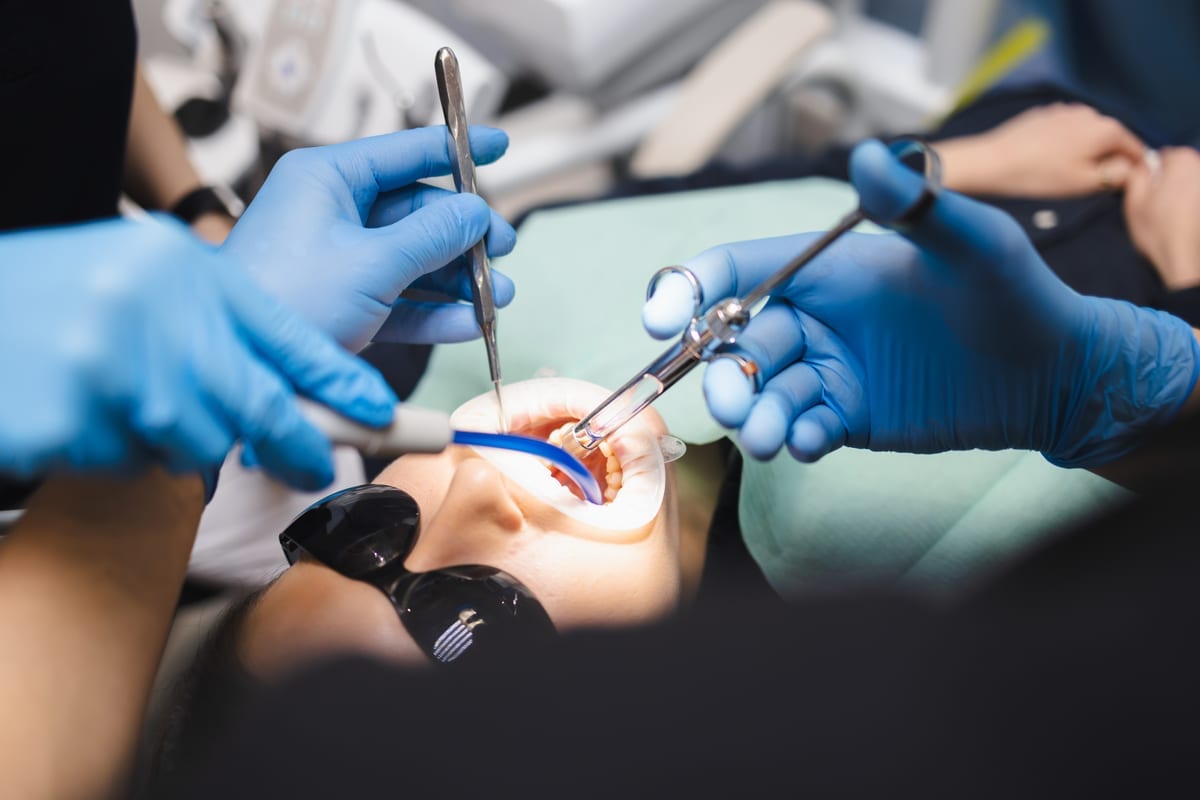
- A protective barrier is applied to shield your gums from the bleaching gel
- The whitening agent is carefully applied to the surfaces of your teeth
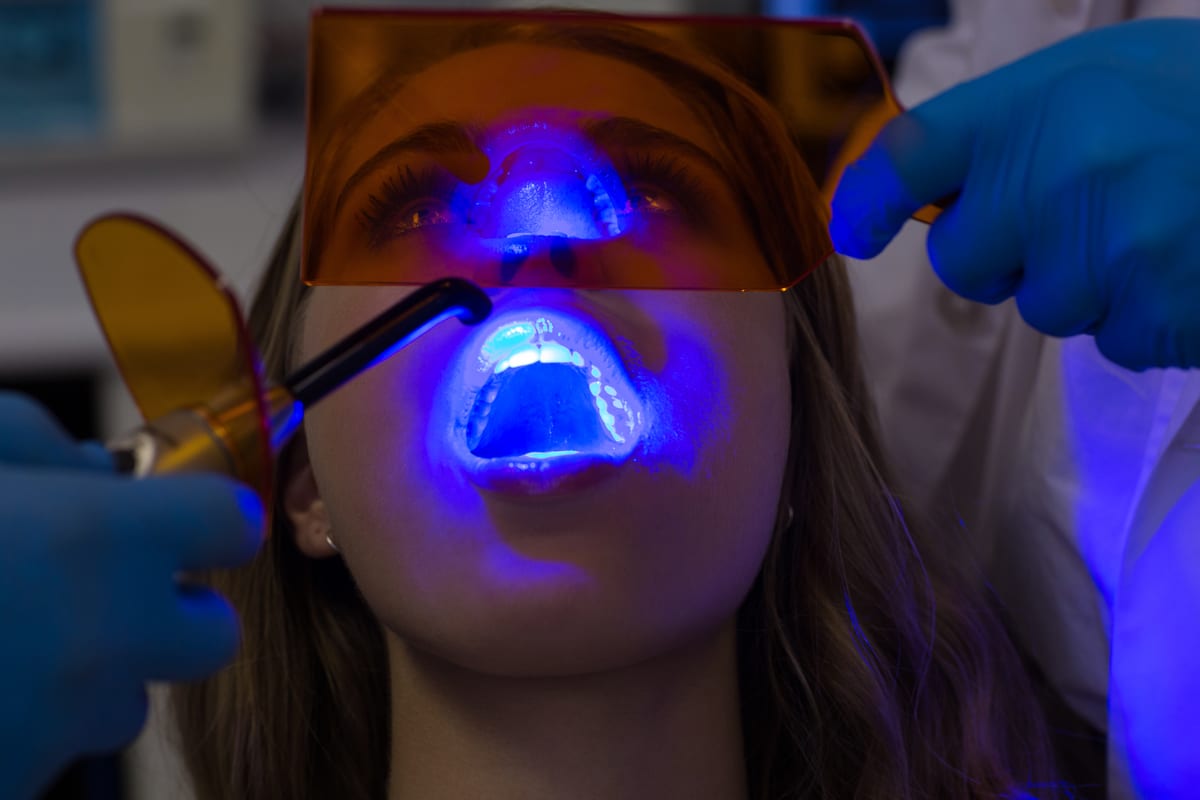
- A light or laser may be used to activate the whitening gel in some cases
- The gel is rinsed away and your dentist checks your results
- Post-treatment care instructions are provided before you leave
The entire appointment typically takes about 60 to 90 minutes. Some patients achieve results several shades lighter in a single visit. Others prefer a gradual approach using take-home professional trays. Your dentist will recommend the option that fits your goals and dental health.
Tips for Maintaining Your Results Safely
Whitening results are not permanent, but they can last a long time with proper care. What you do after whitening matters just as much as the procedure itself. Simple habits protect your investment and prevent rapid re-staining. Your dentist will guide you on post-treatment best practices.
Avoid deeply pigmented foods and beverages immediately after whitening. Coffee, red wine, berries, and tomato-based sauces are common culprits. Your enamel is temporarily more porous after treatment and absorbs stains more easily. Waiting 48 hours before consuming these items makes a real difference.
Maintain consistent oral hygiene with brushing and flossing daily. Use a whitening toothpaste recommended by your dentist to extend results. Schedule regular dental cleanings to keep surface stains from accumulating. Periodic touch-up treatments can also refresh your smile as needed.
Frequently Asked Questions
Does professional teeth whitening damage enamel permanently?
No, professional teeth whitening does not permanently damage enamel when used as directed. The bleaching agents temporarily open enamel pores to remove stains, and enamel remineralizes naturally afterward. Overuse or unsupervised whitening carries greater risk, which is why professional oversight is important.
How long does tooth sensitivity last after whitening?
Most patients experience sensitivity that resolves within 24 to 48 hours after treatment. Your dentist may recommend a sensitivity toothpaste before and after whitening to minimize discomfort. If sensitivity lasts longer than a few days, contact your dentist for guidance.
Can I whiten my teeth if I have crowns or dental bridges?
Whitening agents do not change the color of porcelain or composite restorations. If you have crowns or bridges on visible teeth, whitening your natural teeth may create a color mismatch. Speak with Dr. Ghattas before whitening so he can recommend the best cosmetic approach for your full smile.
Is professional whitening safe during pregnancy?
Most dental professionals recommend avoiding teeth whitening during pregnancy. This is a precautionary recommendation due to limited research on bleaching agents during pregnancy. Waiting until after delivery is the safest approach for both mother and child.
How often can I safely whiten my teeth professionally?
Most dentists recommend professional whitening no more than once or twice per year. Frequency depends on your individual oral health, the degree of staining, and how your teeth respond to treatment. Your dentist will advise a schedule that keeps your enamel and gums healthy long-term.
If you are ready to learn more about whether professional whitening is right for you, the team at Dentistry of Kingwood is here to help. Dr. Pierre Ghattas provides honest, patient-focused guidance to Atascocita residents at every stage of their smile journey. Book Now to schedule your appointment with our team.