1520 Green Oak Place, Suite B Kingwood, Tx 77339


Root Canal Myths That Keep Patients in Pain

Root canal myths that keep patients in pain in Kingwood are more common than most people realize. Fear rooted in outdated stories convinces patients to delay care. That delay turns a manageable problem into a serious one. Dr. Pierre Ghattas at Dentistry of Kingwood wants to change that — one myth at a time.
Most of what people believe about root canals simply is not true. Modern dentistry has completely transformed this procedure. Understanding the facts can be the difference between relief and prolonged suffering. Let’s break down the most damaging myths together.
Myth 1: Root Canals Are the Most Painful Dental Procedure
This is the biggest myth of all — and it does the most harm. The truth is that root canals relieve pain rather than cause it. The source of your pain is the infected pulp inside the tooth. The procedure removes that infection and ends your discomfort.
Modern anesthesia makes the treatment itself nearly painless. Most patients compare the experience to getting a routine filling. Dr. Ghattas uses gentle techniques designed to keep you comfortable throughout. You should feel pressure, not sharp pain, during the procedure.
Many patients are surprised by how easy the appointment actually feels. The days of white-knuckling through a root canal are long gone. What lingers is the myth — not the pain. Do not let an outdated story keep you suffering.
Myth 2: It Is Better to Just Pull the Tooth
Some patients think extraction is the simpler, less painful option. In reality, saving your natural tooth is almost always the better choice. Tooth loss creates a chain reaction of oral health problems. Neighboring teeth shift, bite alignment changes, and bone loss can begin.
Replacing a missing tooth requires more time, more steps, and more cost. Options like Crowns Bridges Kingwood patients trust can restore function beautifully. However, preserving your natural tooth through a root canal is always preferable when possible. Your own tooth will always outperform any replacement in terms of strength and sensation.
Dr. Ghattas evaluates every case carefully before recommending treatment. If a root canal can save your tooth, that is typically the recommended path. Extraction is only advised when the tooth truly cannot be saved. Your long-term oral health always guides the decision.
Root Canal Myths in Kingwood: What the Procedure Actually Involves
Many patients fear what they do not understand. Knowing the actual steps of a root canal removes most of the anxiety. Here is what you can genuinely expect during treatment at Dentistry of Kingwood:
- Anesthesia: The area is fully numbed before anything begins.
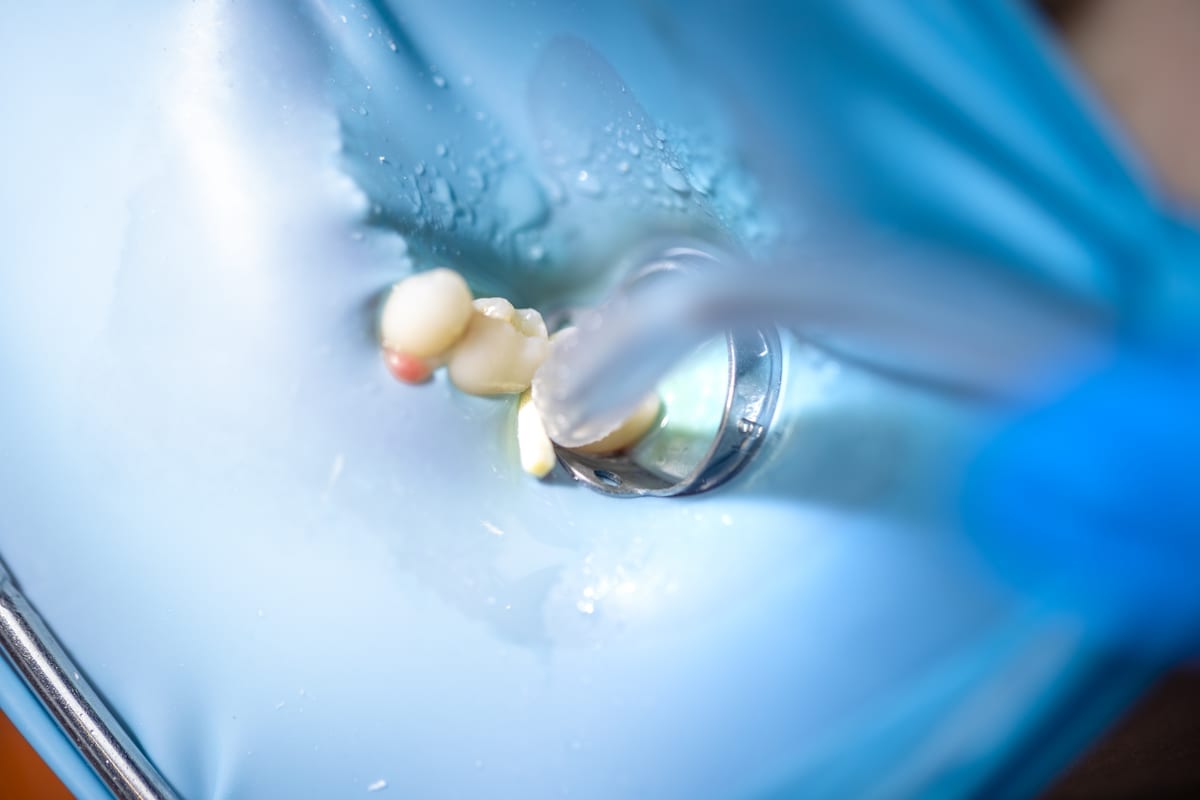
- Access opening: A small opening is made in the top of the tooth.
- Pulp removal: Infected tissue is gently cleaned out.
- Canal shaping: The canals are shaped and disinfected thoroughly.
- Sealing: The tooth is sealed to prevent future infection.
- Restoration: A crown is often placed to protect the treated tooth.
The entire process usually takes one to two appointments. Most patients return to normal activities the very next day. Mild soreness after the procedure is normal and fades quickly. Over-the-counter pain relief is typically all that is needed.
For more details on what Root Canals Kingwood patients receive at our practice, visit our service page. We want you to feel fully informed before you ever sit in the chair. Knowledge is genuinely your best tool against dental anxiety.
Myth 3: You Only Need a Root Canal If You Have Pain
This myth is surprisingly dangerous. An infected tooth does not always cause obvious pain. In some cases, the nerve is already severely damaged and sends no pain signals at all. The infection, however, continues to spread silently.
That is why regular dental exams matter so much. X-rays and clinical exams can reveal infection that patients cannot feel. Catching it early means simpler treatment and better outcomes. Waiting for pain to appear can mean waiting too long.
Signs that may indicate you need a root canal include:
- Sensitivity to heat or cold that lingers after the source is removed
- Darkening or discoloration of a single tooth
- A small pimple-like bump on the gum near the tooth
- Swelling or tenderness in the nearby gum tissue
- Deep decay visible on an X-ray even without discomfort
If you notice any of these signs, do not wait for pain to worsen. Early action protects both your tooth and your overall health. Dr. Ghattas and the team at Dentistry of Kingwood are here to evaluate your concerns promptly.
Myth 4: Root Canals Cause Illness or Spread Infection
This myth originated from flawed research conducted over a century ago. It has been thoroughly debunked by modern dental and medical science. Root canals do not cause systemic illness. In fact, they eliminate the bacterial infection that could otherwise spread.
Leaving an infected tooth untreated is the real health risk. Oral bacteria from an abscess can travel to other parts of the body. Treating the infection through a root canal protects your overall health. The procedure is a solution — not a threat.
Reputable organizations including the American Dental Association fully support root canal treatment. Dr. Ghattas uses clinically proven protocols at every step. Your safety and wellbeing are always the top priority. You can trust that your treatment is grounded in current, evidence-based dental care.
Why Kingwood Patients Choose Dentistry of Kingwood for Root Canal Care
Dr. Pierre Ghattas brings both expertise and genuine empathy to every appointment. He understands that dental anxiety is real and takes it seriously. The team at Dentistry of Kingwood works hard to make your experience calm and comfortable. No judgment, no rushing — just attentive, patient-centered care.
Patients in Kingwood, TX deserve access to modern dental treatment without fear. Root canal therapy performed here uses current technology and gentle techniques. You will be fully informed at every step of your appointment. Our goal is always for you to leave feeling better than when you arrived.
If pain, sensitivity, or worry has been holding you back, now is the time to act. Delaying treatment never makes things easier or less expensive. The sooner you come in, the sooner you can find relief. Book Now to schedule your appointment with our team.
Frequently Asked Questions
Does a root canal hurt during the procedure?
No. The area is fully numbed with local anesthesia before the procedure begins. Most patients feel only mild pressure, not pain. Many say it feels similar to getting a regular filling done.
How long does recovery take after a root canal?
Most patients recover within one to two days. Mild soreness or tenderness is normal during that time. Over-the-counter pain relievers typically manage any discomfort effectively. You can usually return to normal activities the very next day.
Will I need a crown after my root canal?
In most cases, yes. A crown protects the treated tooth from fracture and restores its full function. Dr. Ghattas will discuss whether a crown is recommended based on your specific tooth and situation. The crown is typically placed at a follow-up appointment after the root canal heals.
Can a tooth get infected again after a root canal?
It is rare, but reinfection can occur in some cases. This can happen if the seal breaks down over time or if a new cavity develops. Regular dental checkups help catch any issues early. If a tooth does become reinfected, retreatment is often possible.
What happens if I ignore an infected tooth instead of getting a root canal?
The infection will not go away on its own. It can spread to surrounding teeth, gum tissue, and even the jawbone. In serious cases, infection can spread beyond the mouth entirely. Early treatment is always safer, simpler, and less costly than waiting.