1520 Green Oak Place, Suite B Kingwood, Tx 77339


Root Canal Recovery Guide in Kingwood, TX

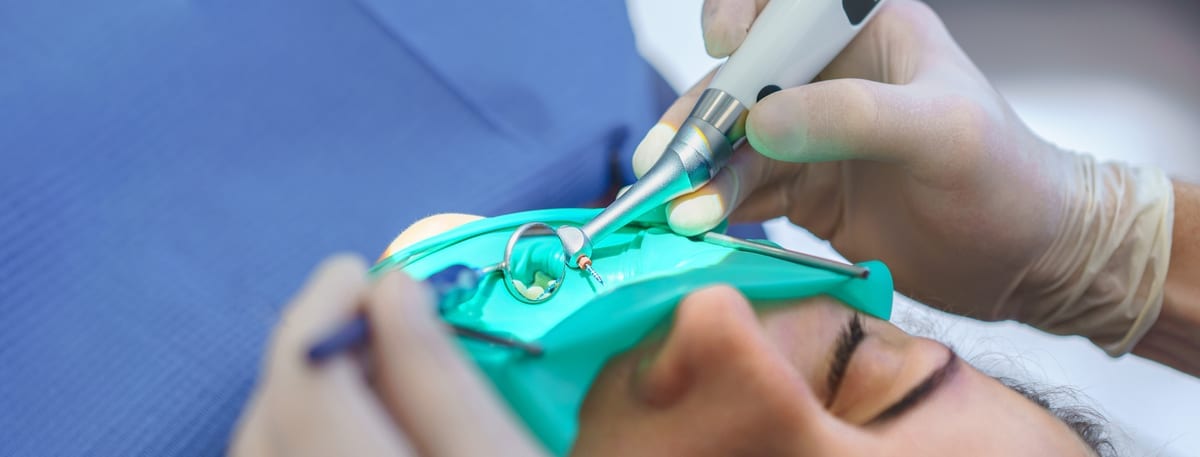
Knowing what to expect after your root canal is just as important as the procedure itself. A complete recovery guide for Kingwood patients can make the healing process much smoother. At Dentistry of Kingwood, Dr. Pierre Ghattas wants every patient to feel confident and prepared. This guide covers everything from managing discomfort to spotting warning signs early.
Root Canals are highly effective at relieving tooth pain and saving natural teeth. Most patients recover fully within a few days to a week. Understanding the recovery process helps you heal faster and avoid complications. Read on to learn exactly what to expect after your procedure.
The First 24–48 Hours After Your Root Canal in Kingwood
The first two days after treatment are the most important for recovery. Your tooth and surrounding tissue will feel tender and sensitive. This is completely normal and expected after any root canal procedure. Dr. Ghattas recommends being gentle with the treated area during this time.
Numbness from local anesthesia may last a few hours after your appointment. Avoid chewing on the treated side until the numbness fully wears off. Biting down too soon can accidentally damage the tooth or irritate the tissue. Wait until you have full sensation before eating a meal.
Mild swelling in the gum area is also common during this initial phase. Applying a cold pack to your cheek in 10-minute intervals can reduce puffiness. Keep your head slightly elevated, especially when sleeping. This simple step can minimize discomfort significantly overnight.
What to Eat and Drink During Root Canal Recovery
Your diet plays a big role in how quickly you heal after treatment. Sticking to soft foods for the first few days is strongly recommended. Choosing the right foods protects the temporary or permanent crown placed on your tooth. It also prevents unnecessary pressure on sensitive tissue.
Here are great soft food options to enjoy during recovery:
- Yogurt, smoothies, and applesauce
- Mashed potatoes, soft pasta, and scrambled eggs
- Soup with soft vegetables or broth-based soups
- Bananas, avocado, and other soft fruits
- Oatmeal, pudding, and soft-cooked rice
Avoid hard, crunchy, or sticky foods entirely during the healing period. These can dislodge a temporary restoration or stress the treated tooth. Chewy foods like tough meats or bagels should also be avoided. Drink plenty of water to stay hydrated and support healing.
Also avoid very hot or very cold beverages in the first few days. Temperature sensitivity is common after a root canal. Lukewarm drinks are the safest and most comfortable choice. Coffee and hot tea can be enjoyed once sensitivity starts to ease.
Managing Pain and Sensitivity After Your Procedure
Some degree of soreness after a root canal is completely normal. The tissue around the tooth undergoes stress during the procedure. Most patients describe the discomfort as mild to moderate — not severe. It typically peaks within the first 24 to 48 hours and then improves steadily.
Over-the-counter pain relievers work well for most patients. Here are the most commonly recommended options:
- Ibuprofen (Advil, Motrin): Reduces both pain and inflammation effectively
- Naproxen (Aleve): Longer-lasting relief with anti-inflammatory benefits
- Acetaminophen (Tylenol): Good option if ibuprofen causes stomach upset
Always follow the dosage instructions on the packaging. Do not exceed the recommended daily amount for any medication. If Dr. Ghattas prescribed antibiotics, take the full course as directed. Never skip doses, even if you start to feel better quickly.
Tooth sensitivity to pressure may linger for one to two weeks. This happens because the ligament around the tooth root is still healing. The sensitivity should gradually decrease each day. If it worsens instead of improving, contact our Kingwood office right away.
Protecting Your Tooth: The Role of a Crown After Root Canal
After a root canal, your tooth needs a protective restoration. Most teeth treated with a root canal will require a dental crown. A crown restores the tooth’s strength, shape, and function completely. Without one, the treated tooth is vulnerable to fracture.
Dr. Ghattas may place a temporary crown immediately following your root canal. This temporary restoration protects the tooth while your permanent crown is being made. Treat it gently and avoid very hard or sticky foods around it. Your permanent crown will be placed at a follow-up appointment.
If you also need to replace a missing adjacent tooth, ask about Crowns Bridges as a combined solution. Dental bridges use crowns on neighboring teeth to support a replacement tooth. This option can restore both function and appearance efficiently. Dr. Ghattas will recommend the best solution based on your specific needs.
Red Flags to Watch For During Recovery
Most root canal recoveries are straightforward and uneventful. However, certain symptoms signal that something may need attention. Recognizing these red flags early can prevent a minor issue from becoming serious. Always trust your instincts and reach out if something feels wrong.
Contact Dentistry of Kingwood promptly if you experience any of the following:
- Severe or worsening pain that does not respond to pain relievers
- Visible swelling that spreads to your jaw, cheek, or neck
- Fever above 101°F that develops after your procedure
- The temporary crown or filling falls out or feels loose
- An allergic reaction to any prescribed medication
- Pus, discharge, or a bad taste near the treated tooth
These symptoms are uncommon but should never be ignored. They can indicate infection, a missed canal, or a cracked tooth. Early treatment leads to much better outcomes. Dr. Ghattas and the team at Dentistry of Kingwood are here to help whenever you need it.
Your Recovery Timeline: What to Expect Week by Week
Understanding the general timeline helps set realistic expectations. Recovery looks different for everyone, but most patients follow a similar pattern. Here is a general overview of what to expect after your root canal in Kingwood:
- Day 1–2: Numbness fades, mild swelling and soreness begin
- Day 3–4: Discomfort starts to noticeably decrease each day
- Day 5–7: Most patients feel close to normal with minimal sensitivity
- Week 2–4: Final healing occurs; permanent crown may be placed
Patients with more complex cases may take slightly longer to recover. Factors like the location of the tooth and overall health affect healing time. Molars, for example, often take a day or two longer than front teeth. Following all post-care instructions gives you the best and fastest recovery.
Conclusion: Heal Confidently With Support From Dr. Ghattas
Root canal recovery is manageable with the right knowledge and preparation. Stick to soft foods, use appropriate pain relievers, and monitor your symptoms closely. Protect your treated tooth by attending all follow-up appointments as scheduled. The goal is a healthy, pain-free smile that lasts for many years.
Dr. Pierre Ghattas and the entire team at Dentistry of Kingwood are committed to your comfort and care. We serve patients throughout Kingwood, TX, with compassion and clinical expertise. Do not hesitate to call us if any concerns arise during your recovery. Book Now to schedule your appointment with our team.
Frequently Asked Questions
How long does root canal recovery typically take?
Most patients feel significantly better within three to five days. Full tissue healing, however, can take up to a few weeks. Sensitivity to pressure may linger for one to two weeks, which is normal. Contact Dr. Ghattas if pain worsens or does not improve after several days.
Is it normal to have pain after a root canal?
Yes, mild to moderate soreness is completely expected after a root canal. The treated tooth and surrounding tissue need time to heal. Over-the-counter pain relievers like ibuprofen or acetaminophen usually manage it well. Severe or escalating pain is not normal and should be reported to your dentist promptly.
Can I go to work the day after a root canal?
Most patients can return to work or normal activities the next day. You may feel mild soreness, but it is generally manageable. If your job involves strenuous physical activity, consider taking an extra day to rest. Dr. Ghattas will give you personalized guidance based on your specific procedure.
What foods should I avoid after a root canal?
Avoid hard, crunchy, sticky, and chewy foods for the first few days. Examples include chips, nuts, hard candies, gum, and tough meats. These can put stress on the treated tooth or dislodge a temporary restoration. Soft foods like yogurt, eggs, and mashed potatoes are much better choices.
Do I need a crown after every root canal?
Most teeth treated with a root canal do require a dental crown afterward. A crown protects the weakened tooth from fracture and restores normal function. Front teeth may sometimes be restored with a filling in certain cases. Dr. Ghattas will evaluate your tooth and recommend the most appropriate restoration for you.