1520 Green Oak Place, Suite B Kingwood, Tx 77339


Teeth Whitening Not Working? Stain Types


You have tried whitening strips, whitening toothpaste, and even professional treatments. Yet your smile still looks dull or discolored. If you are wondering why your teeth whitening isn’t working, intrinsic vs. extrinsic stains in Atascocita may hold the answer. Understanding the difference between these two stain types is the first step toward finding a solution that actually works for your smile.
What Are Extrinsic Stains and Why Do They Respond to Whitening?
Extrinsic stains live on the outer surface of your enamel. They come from foods, drinks, and habits that deposit color directly onto your teeth. Coffee, tea, red wine, and tobacco are the most common culprits for Atascocita patients.
These stains respond well to whitening treatments because bleaching agents can reach them easily. Hydrogen peroxide and carbamide peroxide break down the color molecules sitting on enamel. That is why over-the-counter strips and professional whitening trays work on surface discoloration.
Common sources of extrinsic stains include:
- Coffee and dark teas consumed daily
- Red wine and dark-colored sodas
- Tobacco products, including cigarettes and chewing tobacco
- Deeply pigmented foods like berries, tomato sauce, and soy sauce
- Poor brushing habits that allow plaque and tartar buildup
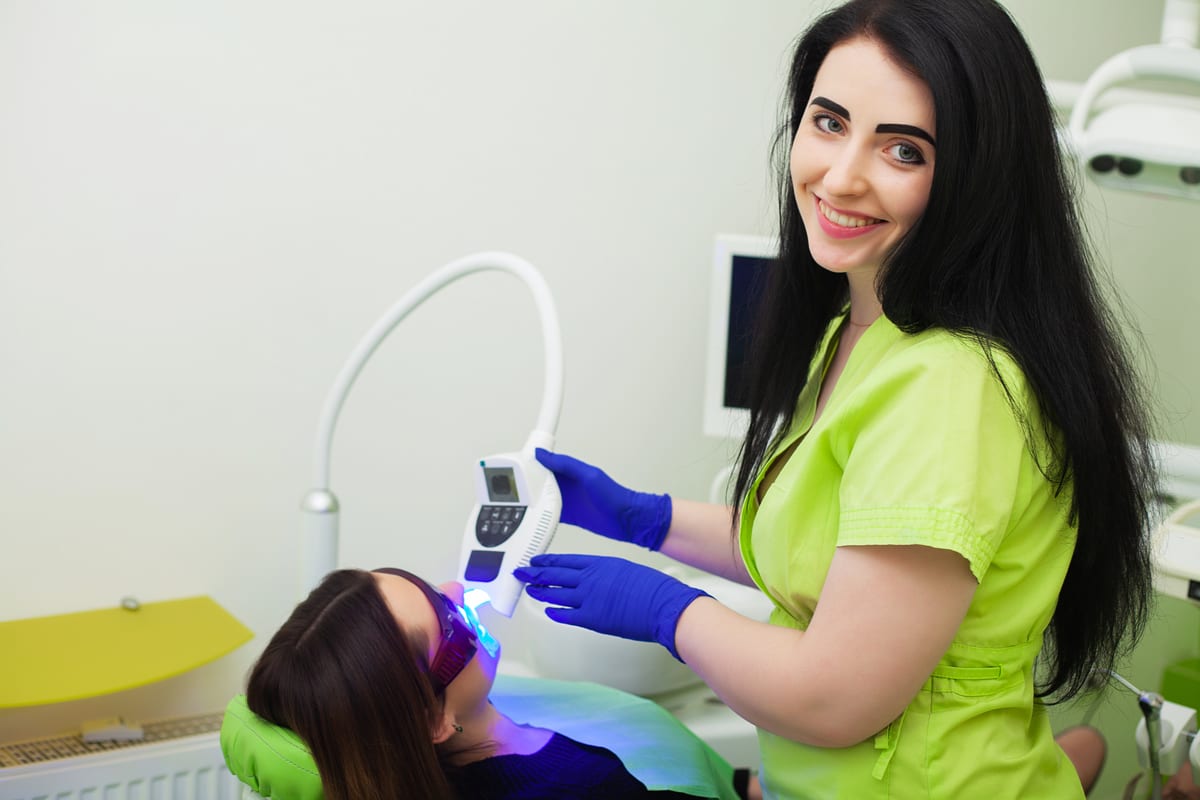
If your stains fall into this category, professional whitening at Dentistry of Kingwood may produce the bright results you are looking for. Dr. Pierre Ghattas can evaluate your enamel and recommend the most effective whitening approach for your specific situation.
What Are Intrinsic Stains and Why Whitening Often Fails Them?
Intrinsic stains are deeper. They develop inside the tooth structure itself, within the dentin layer beneath the enamel. Whitening agents cannot penetrate deeply enough to break down these stains effectively.
This is a critical point for many patients across Atascocita who feel frustrated after multiple whitening attempts. The product is not failing — it simply was never designed to treat this type of discoloration. Identifying intrinsic staining early helps you avoid wasted time and money on treatments that cannot deliver results.
Intrinsic stains are commonly caused by:
- Tetracycline or antibiotic use during childhood tooth development
- Excessive fluoride exposure during enamel formation, known as fluorosis
- Tooth trauma that causes internal bleeding within the pulp
- Natural aging, which thins enamel and darkens underlying dentin
- Certain medical conditions or medications that affect tooth development
Once staining is locked inside the tooth structure, bleaching products rarely produce noticeable change. Patients often describe bleaching intrinsic stains as trying to wash a stain out of fabric from only one side. You need a different approach entirely.
Cosmetic Alternatives That Actually Work for Intrinsic Stains in Atascocita
The good news is that intrinsic stains do not mean you are stuck with a discolored smile forever. Several cosmetic and restorative treatments can mask or eliminate deep discoloration effectively. Dr. Pierre Ghattas works with Atascocita patients to identify the right solution based on the cause and severity of staining.
Dental veneers are one of the most popular options. These thin porcelain shells bond to the front surface of your teeth and fully cover deep discoloration. They also improve the shape and alignment of teeth at the same time. Veneers deliver dramatic, lasting results for staining that whitening simply cannot address.
Dental crowns are another strong option for severely discolored or structurally compromised teeth. A crown covers the entire visible tooth, hiding stains while restoring strength and function. If your discoloration stems from a past injury or decay, Crowns Bridges may be the most comprehensive solution available to you.
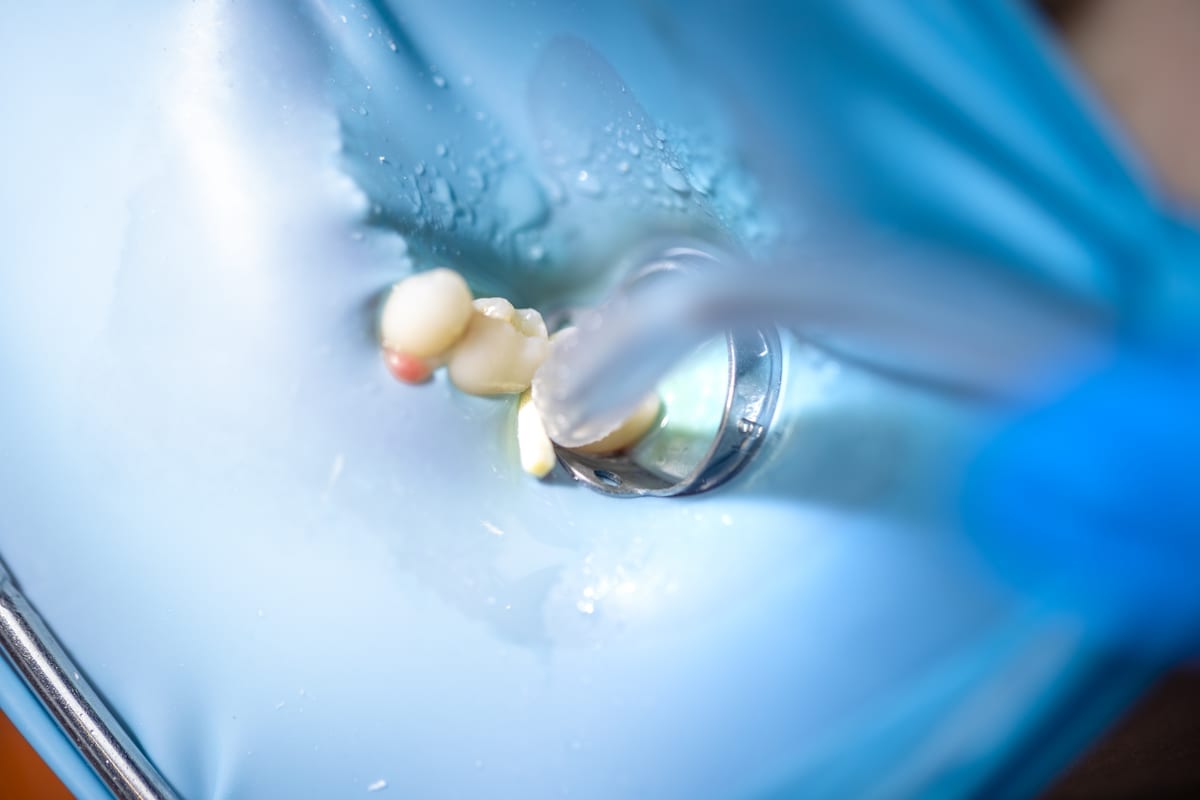
In some cases, tooth trauma causes the pulp inside the tooth to die and darken. When this happens, a Root Canals treatment can remove the damaged tissue. Internal bleaching after root canal therapy can then lighten the darkened tooth from the inside. This specialized technique is effective when trauma is the primary cause of discoloration.
How to Know Which Type of Stain You Have
You cannot always tell the difference between intrinsic and extrinsic stains just by looking in the mirror. However, a few clues can point you in the right direction before your dental visit. Knowing what to look for helps you have a more informed conversation with Dr. Ghattas.
Signs your stains may be extrinsic include:
- Staining that appeared gradually over months or years
- Yellowing or browning that started after changing your diet or habits
- Stains that feel rough or textured on the tooth surface
- Some lightening noticed with over-the-counter whitening products
Signs your stains may be intrinsic include:
- Gray, blue, or dark brown discoloration across multiple teeth
- Staining that appeared without a change in diet or habits
- A single darkened tooth following old trauma or injury
- No improvement at all after consistent whitening use
A professional evaluation at Dentistry of Kingwood is always the most reliable way to confirm stain type. Dr. Ghattas uses clinical assessment and sometimes dental X-rays to understand what is happening beneath the surface. This diagnostic step prevents you from investing in treatments that are not right for your situation.
Starting the Right Treatment Plan at Dentistry of Kingwood
Patients throughout Atascocita and the surrounding Kingwood area deserve a whitening plan built around their actual dental needs. A one-size-fits-all approach often leads to repeated frustration and disappointment. That is why Dr. Pierre Ghattas takes time to diagnose the cause of discoloration before recommending any treatment.
For extrinsic stains, professional in-office whitening or custom take-home trays may be all you need. For intrinsic stains, cosmetic solutions like veneers or crowns can create a transformation that bleaching never could. And for trauma-related darkening, a combination of root canal therapy and internal bleaching may restore your tooth’s natural brightness.
No matter what is causing your discoloration, there is a path forward. You should not have to accept a smile that makes you feel self-conscious. The right treatment plan makes a real difference in confidence and overall quality of life. Book Now to schedule your appointment with our team.
Frequently Asked Questions
Why didn’t whitening strips work on my teeth?
Whitening strips only remove extrinsic stains from the outer enamel surface. If your discoloration is intrinsic — meaning it lives inside the dentin — strips cannot reach it. A dental evaluation will confirm which type of staining you have and what treatment will actually work.
Can all intrinsic stains be treated?
Most intrinsic stains can be improved or fully masked with the right treatment. Options include porcelain veneers, dental crowns, or internal bleaching after root canal therapy. The best approach depends on the cause, severity, and location of the staining.
Is professional whitening stronger than store-bought products?
Yes. Professional whitening treatments use higher concentrations of bleaching agents than over-the-counter products. They also deliver the gel more evenly and safely under dental supervision. However, both professional and store-bought whitening only address extrinsic surface stains.
Can a single dark tooth be whitened?
A single darkened tooth is usually caused by trauma or a dying pulp. This type of staining is intrinsic and will not respond to standard whitening. Root canal treatment followed by internal bleaching or a crown is typically the most effective solution.
How do I know if I need veneers or crowns for staining?
Veneers are typically recommended when the tooth structure is healthy and only the appearance needs improving. Crowns are better suited for teeth with significant structural damage, decay, or wear alongside discoloration. Dr. Pierre Ghattas can evaluate your specific situation and recommend the most appropriate option during a consultation.